Showing posts with label Expat Life. Show all posts

10/30/17

Five Things Learned in Hong Kong


While on the ground, we learned quite a bit about Hong Kong itself. Contrary to our independent habits, on this trip we were closely connected with our host and the locals we met. The result is that we gained more insight than on previous trips about local beliefs and customs. In return for our new found knowledge, we’ve promised to take a pilot river tracing and may have talked a college student into transferring to the states for a year.

1. Feng Shui is an Architectural Term

Hong Kong architecture is weird and intricate for two reasons. The first being that some buildings are designed with “dragon gates” or giant holes in the middle so that the dragons of Hong Kong island can travel freely through them to reach the sea. The second reason comes from the old British sensibility that fresh air is important. In fact, it’s law in Hong Kong that every “inhabited” room has at least one window and apparently bathrooms count. Of course, the result is some very impressive feng shui engineering work. I’m not kidding: Hong Kong architects take feng shui courses and probably invented the mainstream use of the term.


2. Pimping is the Problem

We were also briefed on Hong Kong’s controversial history as a city of drug addicts that the British took from China, so that they’d have a place to sell their opium. Some relics of this shady past still exist. For example, prostitution is legal, but pimping isn’t. Apparently, sex sells and isn’t that bad a business as long as the pimps stay out of it. You’ll see prostitutes in heels at the tourist spots in Kowloon, scanning for someone to make eye contact.

3. The Right to Own Property is NOT a Universal Privilege

Another interesting fact to note is that no one in Hong Kong actually owns property; the government owns it all and allows it to be leased for a maximum of ninety-nine years at a time. Coming from a family farm that’s been handed down for generations, I found this a bit disgusting. The government has no incentive to keep property prices down, so the cost of living is outrageous. Apparently, most two bedroom apartments sleep six and no one wants to work from home, because having an office allows for additional living space. 

4. Land Reclamation Works

Since the government owns everything, land reclamation is a top priority. Despite rising seas levels, over the last twenty years the surface area of Hong Kong has increased, because it’s literally being pulled out of the ocean. I imagine it’s a constant battle, but the Hong Kong government appears to be a vigilant force to be reckoned with and apartment buildings, shopping malls and temples now cover areas of reclaimed shoreline.

5. Visit While You Can

Hong Kong has basically acknowledged itself as an extension of China and locals are not very nice to the mainlanders who come to visit. The MTR and railway systems are littered with advertisements from the mainland and China’s new bullet train even connects to Hong Kong. Apparently, the government pretends not to notice the elephant in the room, but everyone knows it’s an act. At least the notorious firewall and restrictive visa policies aren’t in place yet. A good piece of advice would be to visit while you can though. O! And it’s common knowledge that if someone makes too much noise about China, they will be either kidnapped or deported. Imagine growing up with that in the back of your head.

10/16/17

Moon Festival: Chang'e and the White Rabbit


Many people have forgotten this holiday’s origin story, which is a shame because there’s a goddess, a drug-making white rabbit and CAKE! In fact, every person I asked had to Google it. Just so you’re aware, there are two stories: one with a hero and one with a villain. I’m going to stick to the “bad guy” version; because that’s the one I was told.

Once upon a time, there were ten suns. Of course, this was disastrous and everyone was in a foul mood all the time; then, everyone started to die because the crops wouldn’t grow. A hero named Houyi decided to fix the problem and shot down nine of the ten suns with his bow and arrow. The people were so happy and thankful that they made him king and everyone lived happily ever after….. I don’t think that ever actually happens.

As it usually does, the power of kingship turned Houyi into a greedy, tyrannical ruler who was having so much fun killing people that he decided it would be a good idea to live forever. He sought out the Queen Mother of the West for medicine that would make him immortal and SHE GAVE IT TO HIM; not her brightest moment as the immortal deity of prosperity, longevity and eternal bliss.

Houyi didn’t take the medicine immediately. Apparently, it would only work if taken on the fifteenth day of the eighth lunar month, so he had to wait. This gave his wife, Chang'e, a chance to steal it and, not wanting her husband to go on torturing people forever, she did. After taking the medicine, Chang'e became a goddess (reigning over the moon, menstruation and rebirth) and flew up to her lunar palace where a white rabbit was waiting for her.

Of course, Houyi was pissed and tried to shoot her down, but apparently kingship had destroyed his aim as well as his soul. Legend has it that he died soon after (probably from a rage induced heart attack) and everyone decided to honor Chang'e’s excellent thieving skills with the tradition of Moon Festival... (which has since been added to the UNESCO Intangible Heritage list or should be. I was told that it had been added, but then couldn't find any evidence of it online.)

So currently, there’s a rabbit and a goddess on the Moon. The immortal little fluff ball is spending eternity on the Moon so that Chang'e has someone to talk to and as punishment for giving out too many happy pills. The little one is the god’s apothecary and, under duress, he gave the Queen Mother of the West too many immortality pills, an action that makes him (slightly) responsible for Chang'e’s fate. Even today, people still “see” rabbits making moon shapes around the holiday in honor of their friend.

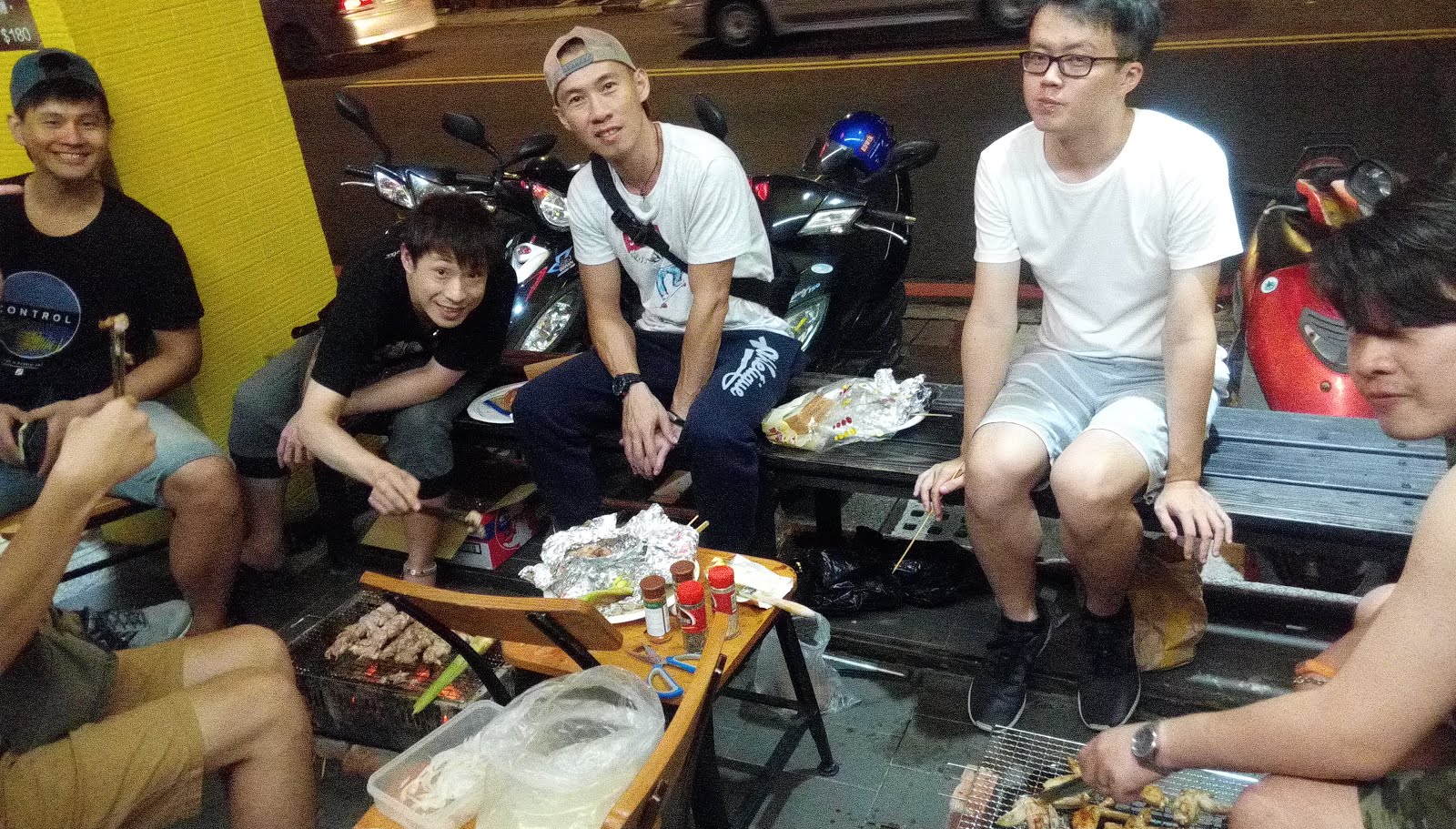
In addition to having a cool backstory, moon cakes and barbeques make this one of the most delicious holidays in Taiwanese culture. Traditional cakes are “moon” shaped and filled with a sweet, dense filling that has a salted egg yolk in the center. Historically, the treats were sometimes used to smuggle secret messages across enemy lines. In recent years, they have gone more main-stream and many large chains, such as Godiva and Starbucks sell seasonal mooncakes. Chocolate and lotus flower flavors are best!

9/11/17

Hungry Ghost Festival: Halloween in Asia


My second favorite Chinese holiday just happened and I arrived to work smelling of fire and incense. It’s a bad time to be asthmatic, although, if you’re asthmatic and in Asia, you’re pretty much screwed anyway. For one month, the gates of hell are opened and spirits trapped there are free to wander the streets eating their fill and causing mischief. From Chinese mythology, the holiday starts with the story of a mother and son. The mother was wicked and when she died, found herself in hell. As in any good hell, the spirits are punished every day and not allowed food or drink.

However, the son was very good and became God (or at least one of them) when he passed on. In life, he had loved his mother very much and with his new powers, asked that the gates of hell be opened for one month every year so that the spirits could rest and eat. The son’s request was granted and Ghost Month began.

Ghost Month takes place during the middle of the Chinese lunar calendar, around August or September. In the middle of the month, when the gates of hell are completely open: festivals, parades and offerings are made to the ghosts and the gods as well. Families and local businesses set up shrines outside on the sidewalks and in the alleys, making the entire city smell like fire and incense. At night, the festivities continue with parades and celebrations at neighborhood temples. The biggest Ghost Month festival in northern Taiwan is in Keelung where hundreds of lanterns are released into the water at midnight.

The local shrines set up by families are made of incense, food and fire. The incense is meant to attract the spirits while the food is supposed to satisfy them and keep them from causing mischief. Families will set out a variety of things, but Oreos, chicken, pork, rice and noodles seem to be the most popular items of choice. When asked their favorite thing to feed the ghosts of hell, my class of six-year-olds proudly proclaimed “Oreos!”

The little fires you see at shrines are for burning ghost money, which ghosts will then be able to use in the afterlife. Although, I’m not sure what there is to buy in hell. There’s no food or water after all, but maybe they can bribe torturers for kinder punishments, such as replacing spiked whips with feathered ones.

As with any good supernatural holiday, Ghost Month also comes with a list of superstitious rules. In fact, the first person I asked to explain this holiday said that it exists because the Chinese are scared of everything. You’re not supposed to wear black (whoops), go out late at night, hike tall mountains or go near any bodies of water (during one of the hottest months of the year, yeah right). Actually, it’s a good time to be a foreigner, because all of the best hiking and swimming spots SHOULD be deserted; emphasis on should, because younger generations don’t seem to pay much attention to these rules.

Many compare Ghost Month to the western holiday “Halloween,” which is accurate except it lasts for one month instead of one day and little kids don’t get to run around terrorizing neighborhoods. Overall, Ghost Month is a time to pay respect to the dead. However, it is not to be compared with Tomb Sweeping Day, which is more about remembering family and less about feeding the ghosts of hell. Western culture probably has something to learn from both of these holidays though as it has no such days that emphasize a person’s relationship with the dead. Besides, who wouldn’t want a break from hell?

8/13/17

Scuba Diving: PADI Open Water in Taiwan


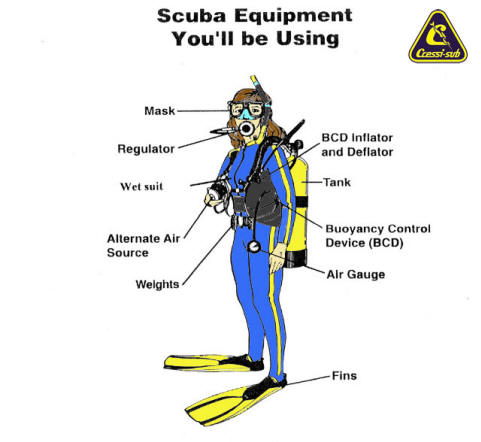
Well, that was terrifying. I don’t know what I was expecting, but it wasn’t stripping out of my BCD (buoyancy control device aka vest keeping me alive) and putting it back on again while 40 feet under the water. Looking back, it makes perfect sense that this certification is supposed to be stressful since its purpose is to prep divers for worst-case scenarios in the water, such as having a regulator knocked out of your mouth or being blinded by a leaky mask😓 It was basically a massive, self-induced stress test: “Can you do ‘x’ without losing your mind? Good. Now do ‘y.’”

The first day was hell, the second was terrifying, but the third was amazing. Hell consisted of six hours of theory and seven hours of confined water practice. It was too long. After taking my BCD apart and putting it back together for the fifth time, I was a bit done and toward the end, I was even too tired to be afraid. That part of my brain just wasn’t working, so when the instructor said: “Fall backward into the water,” I said: “Bye!” I might have even waved goodbye to him on the way down. Along with testing our endurance, we learned and practiced majority of the material this day, making the rest of the classes easier.


On the second day, we did everything from the first day again, but in the ocean with fish, poor visibility and currents.  Basically, it felt like a completely different ball game and it was. Considering it was our first semi-solo dive, we did WELL. By that, I mean we didn’t panic or lose our heads when asked to do normally suicidal things like remove our air tanks and regulators while under the water. We calmly practiced: clearing face masks, locating lost regulators, removing BCDs, sharing air supplies, signaling and surfacing.

Just before being signaled to remove, hold and replace our BCDs; a current rushed the group, jostling and swinging the divers around. Obviously, these were not ideal conditions and life was a bit stressful. A fellow diver’s hand was hovering over mine and I grabbed it. We communicated our support through punctuated hand squeezes that said: “We can do this. We will do this. IT WILL BE OK.” Upon surfacing, the whole group burst out laughing for no other reason than that we were alive. #teambonding


Getting all the terrifying lessons out of the way, the third day was a breeze that reminded me why I was doing this in the first place. We were allowed to dive freely as long as we stayed close to the group. Curious divers, who strayed to look at cool starfish, would be summoned back to the school by the relentless rattle of our dive leader’s signaling device. (I never made it to the starfish😢)

This day, we mostly focused on buoyancy control and adjusting to varying pressure changes in the water, which Jeffrey, the dive center’s owner, demonstrated with meditative-like efficiency. He was with us this day, hanging around suspended in the water like a floating Buddha. No BCD, he just casually carried his air tank around between crossed legs in the middle of the water… Goals.

On this day, we also learned some flexible diving skills that are good to know, but not necessary for the certification. My boyfriend is responsible for this. He looked up a list of the skills the night before and decided he HAD to learn them. (He’s a bit of an over-achiever.) Therefore, the instructor began drilling us on: different diver tows for carrying an injured diver to safety and weight drops for fast surfacing. He also showed us how to swim 15 meters without a face mask and then replace it underwater. At this point, I sneaked up the ladder and away from danger, leaving my boyfriend to contend with his curiosity.


It was a struggle, but I’m very glad we did this. The certification has opened up a large part of the world to us that majority of people never get to experience. I know I can trust my significant other to take care of himself and not lose his head in the water. (Can you believe he used to be afraid of water?) I also know he can expect the same of me. The class was only three days, but we learned a lot, tested ourselves and are better because of it. Plus, we can swim like dolphins now😏

There are lots of locations in Taiwan to become certified and also lots of dive shops offering the certification. The three most popular places to get it done are Kenting, Green Island and Longdong Bay. Kenting and Green Island are beautiful vacation spots, whereas Longdong Bay is just convenient. It’s not very pretty and water conditions are less than ideal, but it’s only an hour’s van ride away from Taipei. If you’ve been scuba diving before and are just trying to get the certification done, it will do. However, if you’ve never been in the water before, I’d suggest Green Island. It’s Taiwan’s top diving destination and a direct contrast to Longdong Bay.

Join Diving Center


In case you’re curious, I looked at three different dive shops and reached out to two: Join Diving Center and Scuba Shop Taipei. Based on a friend’s recommendation we decided on Join Diving and couldn’t have been happier. Yes… it was torture, but they were thorough, good instructors with excellent communication skills and years of experience. We don’t speak Chinese, so there was a slight communication barrier, but they never lost patience with us, and did their absolute best to answer our many questions and make us feel comfortable. I highly recommend them, and we will use them again for future dives and possibly for getting the advanced diver certification next spring.

8/2/17

Taiwanese Beauty: The 10-Step South Korean Routine


I’m an idiot and this blog is a correction/addition to this previous blog on beauty in Taiwan. As it turns out, there’s a definite obsession with skincare in this country. Mostly with South Korean products that make up an insane 10-step beauty routine. That’s right: 10 STEPS. Normal people agree that this is a bit excessive, but South Korean women currently have the highest life expectancy in the world, so maybe they’re on to something.

If you break it down into something more manageable, the 10 steps can be grouped into three main segments: cleanse, tone and moisturize. That's not too bad, right? These three basic steps are what most women around the world do anyway. South Koreans just complicate things by using multiple products for one step. For example, a proper South Korean regime uses three different cleansers: an oil cleanser, foam cleanser and exfoliator. Excessive much?


Popular brands can be found at Ximending, which is Taiwan’s one stop shop for South Korean beauty. The larger chains (The Face Shop, Innisfree, Skin Food, Tony Moly, Nature Republic and Etude House) all have stand-alone shops within walking distance of each other. In my opinion, Innisfree is the best of these; and they surpassed all the other companies in at-home sales for the year 2016, so they’re definitely a safe place to start.

Ximending is also home to Taipei's largest Watsons (Taiwan’s upscale CVS), which is where you can find brands like: Banilo Co, Missha and My Beauty Diary. Another popular cosmetics store located nearby is 86 Shop. This store carries cheaper brands, including Cremorlab and Neogen. In addition to finding products in store, you can also order popular brands online from PC Store (Taiwan’s version of Amazon) and Wish Trend. If you want to try Klairs or COSRX, this is where you will have to look.


With so much variety, you can definitely pick and choose what you want to try. Personally, I was overwhelmed at all the options and immediately went into research mode to find out what the interwebs had to say about all of this. It gave me such a headache, but I now have a nice little organized spreadsheet on Korean skincare. Here’s the condensed version:

Step
Top Products
1. Oil Cleanser
2. Foam Cleanser
Volcanic Pore Cleansing Foam by Innisfree
3. Exfoliator (once a week)
4. Toner
5. Essence
6. Serum
7. Sheet Mask (once a week)
8. Eye Cream
9. Face Cream/Moisturizer
10. SPF

I am NOT high maintenance enough for this, so I personalized a plan to only include some of the steps mentioned above. For example, one cleanser should do the job; and I’m going to take a page from Emma Watson’s book and only use sheet masks for special occasions. The strangest thing added to my routine is the serum. These intrigued me, because they are basically just highly concentrated mixtures of something useful for your skin, such as green tea, vitamin C or snail mucin.


After a month, I’m happy to report skin that is smoother, brighter, and more moisturized... That's it. I'm done. No really, I'M FINISHED AND HAVE THROWN MOST OF THE PRODUCTS AWAY. After doing more in-depth research on ingredients, I found that majority of these products contain harmful petroleum-based fillers, such as mineral oil, PEGs and propylene glycol. Even the most highly reviewed serums and exfoliators are not safe to use. To be fair, the safest brand seems to be Innisfree, but they're not perfect either, because they favor PEGs.

In conclusion, Asian skin care has a cult following across the world for a reason: It does make your skin look great. They might even be onto something with the crazy 10-steps, but the products are lacking and not good for long-term care. Naturally, I will NOT continue using them, but this month has not been wasted; I learned what not to put on my skin and that snails produce a highly effective natural skin cream, go figure.

6/28/17

English Cram Schools in Taiwan: An Introduction


Taiwan is not suffering from a lack of English schools. In Taipei alone, there’s practically a cram school on every block. Pick any one location in the city and you are probably within walking distance of four different English schools. The trouble is knowing which school is the best fit for you. English teachers also need to watch out for scams. There have been some cases of schools refusing to pay as well as some that have accidentally let a teacher’s ARC expire.

The Schools

Here’s a few well-known cram schools around Taiwan: Kojen, Shane, Hess and Joy. Each organization is slightly different from the others. For example, HESS pays the best, but also has the biggest class sizes. Joy and Shane seem to be the most popular choices for English teachers and have good retention rates (unlike HESS). Kojen is worth checking out as well. I haven’t heard anything negative about the school.

These organizations have two different types of schools: franchises and direct teaching establishments (DTEs). Franchise schools are owned and operated by local Taiwanese managers, whereas DTE schools are operated directly by the companies. As a general rule, teachers have the best luck working for DTE schools. There’s more oversight, accountability, and the pay is generally better.

However, there are some perks in working for a franchise as well. There’s more flexibility in hours, dress code and vacation time. In the end, the choice is yours. Don’t be scared away from franchise schools by the horror stories of other teachers. Some of the managers are really nice and will bend over backward for you. That being said, I’d still go with a DTE if you can.

In addition to running cram schools (or after-school schools) for school-aged children, each of these organizations also runs preschools. If you love working with kids, preschools are the way to go, since the hours can be more reliable than at a regular cram school. Unlike traditional cram schools, preschools are run during the day, so teachers have a relatively normal schedule with free nights and weekends. Giraffe and Kid Castle are other well-known preschools around Taipei.

If your interested is working with adults, your options will be a bit slimmer. These schools do exist, but they are usually smaller and privately owned. There is one I can recommend in Banciao, called The Language Academy, which only caters to teenagers and adults. As far as I can tell, the teachers absolutely love the students, but management can be a bit difficult at times.

Along with cram schools, foreign teachers are encouraged to apply at public schools. If you have an Education degree, go for it. It doesn’t matter what your Education degree is in; they will hire you anyway. The teachers I know working in the public schools have nothing but good things to say. It’s easy work, with lots of free time and paid vacation. The one complaint they have is not being able to get to know the students and see them progress. The class sizes are just too big and teachers only have the students for a short amount of time each day.


Hours and Compensation

Generally, English teachers work between 20 and 25 hours a week. For a teacher who is just starting out, $560 dollars should be the absolute lowest you accept as an hourly rate, unless the school has some other kind of amazing perk, such as a $40,000 contract completion bonus. Teaching contracts do generally include a completion bonus. These can range between $12,000 and $28,000 NTD.

Some managers will opt to give teachers a higher hourly wage instead of a bonus, so be sure and run the numbers before signing a contract. In addition to a contract completion bonus, teachers are also given a yearly raise. A good raise would be $50 or $60 NTD, so start bargaining around there. Keep in mind that teaching salaries are usually capped at $700 or $800 NTD per hour. If you find a job offering more than that, take it.

Areas outside of Taipei, such as Tainan, pay better and offer more perks, such as paid time off. Speaking of time off, teachers are generally offered 14 or more vacation days and are off on national holidays. In addition to this, teachers are, also, usually given time off between their contracts. All of this time is unpaid, unless you work for a public school or somewhere outside of Taipei.

Conclusion

As stated above, to work in a public school, you need to have an education degree. To work for a DTE school, it’s best to have a CELTA or TOEFL certification. These certifications will, also, make it easier to find a job online. Definitely start applying before getting to Taiwan. I know HESS, Shane and Joy all have an online application process. If you’re already on the ground in Taiwan, you can apply directly to franchise schools. As long as a teacher looks western, these schools don’t seem to be too picky.

I’ve had a number of friends arrive in Taiwan and find work within a week. You just need to be willing to do the legwork. There are hundreds of excellent English cram schools; the ones mentioned in this article are just the most popular places to start. English teachers usually work for Shane or Hess for a year or two and then transfer to a better privately run school they found in their neighborhood or through a friend.

6/6/17

Dragon Boat Festival: One of Asia’s Oldest Holidays


Once upon a time, thousands of years ago, during one of China’s many internal feuds, there lived a king and a poet. They loved each other very much, but many people were jealous of the king’s affections and spread rumors that the poet was working for the king’s enemy. Of course, the poet lost the king’s favor and was banished.

As in any good tragedy, he wrote sad rhymes for the rest of his days until hearing that his king had been defeated, at which point he promptly drowned himself in a river. People dragged the river with their boats looking for the poet’s body and threw rice balls into the water hoping to distract the fish from eating his remains. According to the story, the body was never found, but the tradition of racing dragon boats and eating zongzi began.

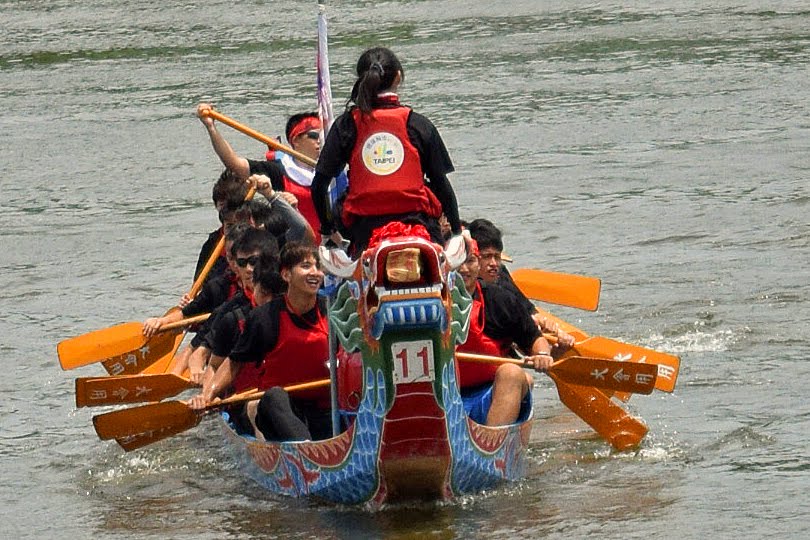
Originating over two thousand years ago during the Warring States period, Dragon Boat festival is one of China’s oldest holidays and was one of the first events to be added to the UNESCO Intangible Heritage list. Today, it’s become an international sporting event and teams from all over the world come to try their luck in Taipei, which hosts the largest Dragon Boat Race in Asia. During the event, boats line up and race to grab their team’s flag.


Of course, each boat is brightly painted as a dragon and there’s even a special eye painting ceremony the night before a race to bring a boat’s dragon to life. Each boat is loaded with a crew consisting of a flag grabber, drummer and rowers. The drummer acts as the dragon’s heartbeat while the flag grabber has the fun job of pretending to be the dragon’s mouth, stretching out over the dragon’s head to grab the flag.

Dragon Boat Festival is officially recognized as the fifth day of the fifth month of the Chinese Lunar year, which means that the holiday can occur anytime during the month of June or even at the end of May. There are dozens of locations to watch the races in Taiwan including Keelung, Kaohsiung and New Taipei City, but the international championships are held at the Riverside Park in Taipei.

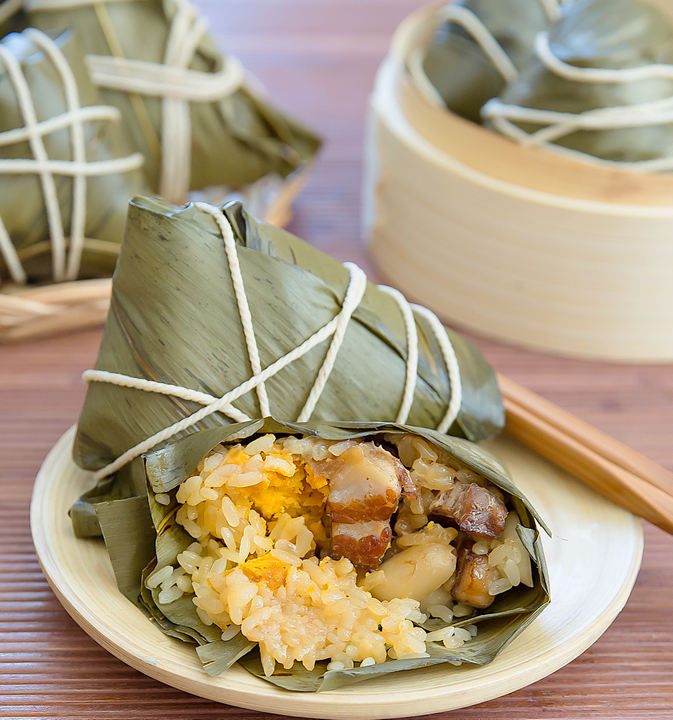
In addition to watching the races, other favorite dragon boat traditions include eating zongzi (sticky rice wrapped in bamboo representing the rice balls that were thrown into the water over 2,000 years ago), balancing eggs at noon and wearing scented sachets that in days past would have been useful for keeping bugs away and preventing the spread of disease.

3/27/17

Hiking Dream Lake and Xin Mountain


On this trail, we learned two things: Don’t listen when someone over fifty says something is dangerous, and knife-edged ridges make for great photo opportunities. This beautiful little hike is an easy trip from Taipei. It’s, also, quite different from other trails as it isn’t made of nice, neat steps that kill the tread on your hiking shoes. You’ll actually get a little dirty and have some fun. At various points along the way, you even get to play with ropes. These are quite handy when you’re climbing down the rocks backward. Along with being a fun hike, the ridges provide a great chance for some additional off the trail climbing and sliding. Also, the view is amazing. Yes, there are some power lines in the way, but on a clear day you can see Taipei 101 from the ridge.


As the name suggests, there is a lake, but it is not the highlight of this trip. In fact, people who visit just for the lake will be sorely disappointed. Surrounded by trees, it makes for a very scenic spot for a post-hike picnic. However, it’s very small and really not at all impressive, except for its color, which is a beautiful aquamarine blue. The main attraction of this trip is actually the Xin Mountain hiking trail and its many ridges. There are quite a few along the trail. As soon as you think you’ve seen the last one, another one will crop up. At one point, the trail even goes over the edge of a ridge and it looks like the hikers before you just fell off the mountain.


The Xin Mountain trail is a loop that starts and ends at Dream Lake. You’ll see the path for it as you approach the lake. In size, it’s about 3 km and will take roughly two to three hours to complete, depending on how often you stop for pictures or wander off the trial. There are some bathrooms and a café next to the lake, which are definitely open on the weekends. I can’t promise whether or not they’re open during the week and it doesn’t really matter, as its way better to pack some sandwiches and picnic on the ridge anyway.


In addition to food, it’s also important to pack sun protection. A hat, jacket, sunscreen or combination of the three will help keep the sun from subtracting a few years off your life. The bald ridges leave people completely exposed and you really need something to keep from turning into a piece of bacon. This should go without saying, but a smart person would wear good shoes and long pants as well. I’m not always smart, but you should be.

Getting Around


To get to the lake and the trail head, take a local train from Taipei Main Station to Xizhi Station. The trains are frequent and you can use an easy card to hop on and off as you please. There is absolutely no need to worry about getting tickets in advance. From Xizhi Station, grab a taxi to the lake. Split between two to four people, this should be fairly cheap. There is a free bus, but it stops about an hour’s walk away from the lake. From experience, I can tell you that it’s a pleasant, straight-forward walk, especially with good company, but I don’t recommend it. The bus only runs once an hour and has an unpredictable schedule.

However, if you’re feeling extra adventurous and want to give it a try, it’s bus 910. You catch it right outside of Xizhi Station. Get off at the stop for Menghu Park and start walking. Menghu translates to Meng Lake. (Just like Xinshan means Xin Mountain.) This is what you want. Just keep following the signs up the road. You basically stay on the same road the whole time. There’s no turn and do not be tempted by the gold lions; that is not the trial.

3/13/17

Women’s Rights in Taiwan: Moving Forward


Taiwan is a great place to be a girl. The country’s policies and politics allow women to feel empowered and respected. Rape and other crimes against women are unheard of. (Unfortunately, this could be because the victims are too traumatized to come forward). When it comes to women’s rights, Taiwan is in the lead against other Asian countries and many Western ones as well. This might be due to the fact that Taiwan has more female legislators than any other country (except for ones in Scandinavia). Undoubtedly, this helps laws regarding gender biased issues (including maternity leave, marriage rights and business practices) to be passed with more empathy and understanding for the average female citizen.

Since the very beginning, Taiwan has been set up to give women a voice in politics. In fact, the country’s constitution states that half of all available legislative seats must be filled by women. As of today, Taiwan and Scandinavia are the only two countries with this sort of system in place, which is a shame. Just think of all legislative headaches that could have been avoided in the United States if a similar system was in place. Remember the tampon tax? That crap would have never happened. Anyway, the point is that females in Taiwan feel fairly represented in their government. As a result, Taiwan’s Gender Equality Act and maternity leave policies are equal to, and in many circumstances better than, those in found in Western countries.

Taiwan’s maternity leave policy is especially spectacular. New mothers and fathers are offered eight weeks of leave at FULL pay. If the parent has been employed in their position for less than six months, they are still entitled to the time off as well as half pay. This is fantastic. Yeah, the Unites States offers new mothers (not fathers) 12 weeks off for a new baby, but it’s unpaid. As a result, hardly any new mom actually uses all of that time. Instead, they are trying to get back to work as quickly as possible. New babies are expensive.

Of course, Taiwan’s awesome maternity leave legislation may also come from generations of tradition and superstition. In Taiwan, as well as in other Asian countries, it is believed that a new mother and her child should be separated from the world to enjoy a month of pampered solitude and seclusion. Such beliefs make it difficult for managers to rush their female employees back into the office. Of course, this tradition was originally started to protect birth mothers and newborns from malevolent spirits that would take advantage of their weakened condition. However, the tradition has persisted and now protects them from overzealous employers.

In modern Asia, the four weeks of seclusion has become an optional affair. Some women do decide to go spend four weeks in seclusion at a post-partum clinic, but these services do not come cheap. The clinics, also, hold both mother and baby to a strict set of rules. First of all, they are allowed to go outside and the list goes on from there. Some of the other rules include not being allowed to eat raw fruit, drink cold liquids, shower (only sponge baths are allowed) or stand in a drafty room. In lieu of the prices and strict guidelines, many new Asian moms are opting to stay at home for a month instead. Can’t say I blame them. I wouldn’t want to go four weeks without brushing my teeth either. Besides, you’d basically be paying someone to stand around and not let you do things.

In addition to fabulous maternity leave policies, females in Taiwan get to enjoy menstrual or period leave. National law states that female employees are allowed three days of additional sick leave for menstruation. The pain is real guys. Of course, many girls just take Advil and suck it up, so that they can save the extra sick days for something really important like Mondays. Some private companies even allow female employees one Period Day per month at half pay. This must do wonders for office moral. Think of all the avoided cat fights and melodrama.


Conscientiousness toward the fairer sex isn’t just found in the office and politics, but in everyday life as well. In Taipei, you can tell that the city has been planned with female citizens in mind. This is especially true in the public transportation sector. Of course, Taiwan’s public transportation is better than any other country’s anyway, but the details in place for female safety are a huge bonus. Every public transport platform in the city is designed with monitored safety waiting zones. This way female passengers and commuters traveling alone know that there’s a safe place for them at every train and MRT station. This concept is fabulous and I have no idea why I had to travel all the way around the world to find it. All in all, Taiwan feels much safer than the average Western country.

Women’s rights still have a long way to go. Even in Taiwan, there is still harassment and discrimination in the workplace. Especially over pregnancy, many women are not promoted to managerial positions for this reason. If a female employee does become pregnant, she will often be relocated to a different position at lower pay or asked to resign. Also, many sexual assault and harassment victims fail to come forward over fear of social repercussions and discrimination.

The workplace is not only where sexual discrimination still exists; Taiwan still has plenty of backward marital expectation and laws. If a foreign female marries into a Taiwanese family and has children, according to Taiwanese law, if the husband dies, the children go to his parents, not with their foreign mom. Also, there’s still that whole issue of women being expected to take care of both their husband and his parents after marriage with no thought given to the bride or her family. Luckily, these expectations are slowly changing with the current generation of women who will be raising their own daughters with more realistic ideas on what makes a good husband and marriage.

3/6/17

Hiking Seven Star Mountain: Mt. Qixing Multi-Peak Trail


This is one of the most scenic and easily accessible hikes in Taipei City. That’s right. There’s a national park in Taipei City. The zoning out here will never cease to amaze me. Anyway, the national park is called Yangmingshan. Chiang Kai-shek named it after one of his favorite philosophers. That’s at least one reason to become president; you get to name mountains. (Can you imagine Trump’s national park? The entrance fee would be $100 USD and the main attraction a coal mine.) I digress, the highest summit in Yangmingshan is Qixing, which is also known as Seven Star Mountain or Cising Mountain. I’m not sure how it ended up with three names, but there you go. To save my sanity and yours, for the rest of this post, I will refer to the mountain as Mt. Qixing.

This hike will take you to the top of Mt. Qixing, which is a modestly sized mountain resting at 1120 meters above sea level. Not to worry though, the national park’s bus system lets you cheat. Essentially, there are three ways up the mountain. This blog outlines the easiest and possibly most scenic path to the top. If this is your first visit to Yangmingshan, this is the trial for you. You’ll see volcanic steam vents, yellow sulfur crystals, plenty of silver grass and beautiful rolling mountain vistas. Originally from the states, I still can’t get over hiking on an active volcanic system that has lava moving around and creating chemical reactions underneath my feet. Dragons make perfect sense.

Start your hike with the Xiaoyoukeng Trail. This one-hour hike up hill will take you straight to the summit. It’s easy, clearly marked and without a doubt the best way to get to the top. Roughly translated, Xiaoyoukeng means “oil pit.” You’ll see and smell why as soon as you get off the bus. There’s a large sulfur vent right next to the trail. Hope you like eggs. After an hour of smelling them, I wanted to gag. However, it is the largest volcanic vent I have ever seen to date and a really cool experience. As you hike to the top, be on the lookout for more volcanic characteristics, such as fumaroles and sulfur crystals. This is where they will be.

Once you reach the summit, the hard part is over and you can take a rest. There are plenty of boulders lying around to picnic on and you can entertain yourself by watching the Taiwanese queuing championships. Let me explain: At the summit, there’s a big pole stuck in the ground and everyone wants to take a selfie with it. Next thing you know, you’re on top of a mountain, in the middle of a national park and watching people line up in such an orderly fashion that any theme park attendant would be proud. This phenomenon is completely new to me. Needless to say, I did not wait in that line, but snuck a picture of the post while it was between groups.

From the summit, you’ll be able to see Taipei city proper. At which point, it becomes apparent that if this thing you are standing on ever blows, lots of people will be forced to question their life choices. You’ll, also, be able to see Qixing East Peak. That’s your next stop. Surprise! This is a multi-peak, two-for-the-price-of-one hike. Seriously though, it’s not far. At a moderate pace, you can reach the second summit in about fifteen minutes from the main peak. Once you reach the east peak, take a minute to enjoy the view and then follow signs for Lengshuikeng. This is the trail that will take you down the mountain.

In English, Lengshuikeng translates to “cold water pit,” which makes absolutely no sense. If you had any doubt in the Taiwanese sense of humor, this should put it to rest. Seriously though, Lengshuikeng trail starts at Qixing East Peak, winds its way casually down the mountain through Qixing Park and then terminates at Lengshuikeng Visitor Center, which is located right next to… wait for it… a HOT SPRING. What else would you find in the middle of a volcanic park?

Take your time going down; there is a lot to see in Qixing Park. For the record, there is actually a park, so feel free to bring Frisbee and casually throw it around or at the back of your friends’ heads when they are not looking. There is also a large pagoda in the middle of the trail that makes for a great place to stop and have a snack or a nap or both. You’ll need to catch your breath after running away from your friends who are currently stalking you with a Frisbee and murderous intent.

That’s it! Once you reach Lengshuikeng Visitor Center, the hike is over. Feel free to stay and check out the hot spring. This is a fairly short hike and you’ll have plenty of time. From start to finish, the trail is 4.5 kilometers and takes three to four hours to complete. Be careful. There are no public restrooms on the trail and you’ll have to hold it until you reach the visitor center. This isn’t a huge problem as you’ll be sweating most of your water out anyway. Still, go easy on the liquids and pack toilet paper just in case. Also, pack plenty of food and sunscreen. Don’t be fooled and think that just because it’s January you won’t get burned. This is Taiwan!

One last thing, check the weather before you go. You need a mostly sunny day or better for this hike. Otherwise, good luck seeing all those beautiful vistas mentioned above. On a cloudy day, you’ll be lucky to see five feet in front of you. Yes, it really is that bad. Clouds love Mt. Qixing. Even on a mostly sunny day, they will surround the peak, turning it into a completely different, misty world. You’ll suddenly find yourself in the “Upside Down” for a few minutes until the clouds pass and everything goes back to normal.

Getting Around


To reach the Xiaoyoukeng trail head, take the R5 bus from Jiantin Station to Yangmingshan bus stop and get off. The R5 runs every ten to fifteen minutes, so there’s no need to worry about timing or ticket reservations. You can, also, pay the bus fare with your Easy Card. At the Yangmingshan bus stop, queue up for the Yangmingshan National Park bus also known as the 108. This will take you to the trail head. Be careful. There are different 108 buses, so make sure you are on one that is headed to Xiaoyoukeng. Of course, disembark from the 108 at the Xiaoyoukeng Recreational Area. They don’t announce the stops in English, so you’ll have to be paying attention. Look out for the sign and for the massive steam vent or just wait until you smell eggs. To get home, catch the S15 bus from the Lengshuikeng Visitor Center. This will take you right back to Jiantin MRT station.

2/22/17

Popular Taiwanese Superstitions


Highly educated, full grown adults will tell you very seriously “ghosts exist and they will try to kill you.” Ghosts are definitely the biggest threat. There’s a whole month dedicated to them that comes with its own set of superstitions. Completely straight-faced, my manager told me not to go swimming during ghost month.

Anyway, in addition to ghosts, there are also superstitions surrounding child birth, different types of animals, numbers, hand gestures, gift giving, body art, etc. Most of these double as old proverbs told to teach children some common sense. For example, it’s not very smart to go swimming alone with or without ghosts. Additionally, many Taiwanese superstitions are also bound up with the belief of reincarnation.

A local friend explained that Taiwanese religion doubles as a set of superstitions that control when you die, what you’re reborn as and how many tricks ghosts can play on you along the way. For example, anyone with pierced ears cannot be reborn as a male. (Yes, this patriarchal nonsense still exists.)

Animals

Black animals with white paws are considered unlucky and used to be killed. Aware of this old superstition, many people go out of their way to adopt these animals and get them off the streets.

Numbers

Chinese culture places great importance on homonyms or words that sound the same. (You can probably guess where this is going.) In Chinese, the words four and death sound the same. For this reason, the number four is the Taiwanese equivalent to the western 13. Apartment buildings, hospitals, offices and schools will literally just skip fourth floors. Third floors just happen to have very high ceilings.

Red Ink

This is actually a great classroom management tool for teachers. If there’s a disruptive student, get out your red marker and start spelling out the miscreant’s name on the board letter by letter. It works wonders, especially with younger kids. Let me explain, red ink looks like blood. In Taiwanese culture, you only write names in blood if you intend harm upon that person or want them to die soon. Needless to say, my kindergarten class was not amused.

Gifts

Don’t gift people sharp objects, white flowers, watches or sets of four. When given as gifts, these items mean that you want the recipient to die sooner rather than later. Sharp objects should be self-explanatory. White flowers are reserved for funerals. Watches and clocks, as gifts, mean that the recipient’s time is literally running out. Sets of four remind people of death.

Body Art

I already told you about pierced ears. Compared to Western culture, not many Taiwanese women have them. The lack of earrings is one of the first things I noticed after moving here. Also, people with tattoos are gangsters; although, this is more of a stereotype than a superstition.

Hand Gestures

In the United States, it’s the middle finger. Unfortunately, Taiwan’s taboo hand signal is commonly used in the United States. It’s the one used to beckon people or get attention. You know: palm up with a repeatedly curling index finger. Well, in Taiwan, this is the hand signal for the number four, which of course means that you want the person you’re beckoning at to die soon. Whoops. In the beginning, I accidentally told numerous students to go kill themselves.

Pointing 

It’s rude to point directly at someone and supernatural deities especially don’t like it. If you point at the Moon, the associated supernatural will retaliate by taking off your ear.

Table Manners

You would never casually leave your fork sticking straight up out of a piece of steak. This behavior is generally frowned upon. It’s the same in Asia, but with chopsticks instead of forks. Never leave your chopsticks straight up in your food. Yes, it’s very tempting to stick them in a bowl of rice and leave them there, but don’t do it. Rest them on the table or lay them across your plate. Again, never leave them sticking up. It’s rude and basically translates to inviting death to the dinner table. Little children will look up at you with tears in their eyes, saying “Teacher, I don’t want to die.” Ok, maybe not with tears, but the rest of that sentence actually happened.

Ghosts

These are not Casper, these things mostly just want a chance to kill people, which is why offerings are set up during ghost month to appease them and keep them at bay. Taiwanese ghosts are murderous because their one goal is to move on and be reincarnated into their next life. In order to this, they need another ghost to take their place. In order to have that, they need to kill someone.

Swimming – Don’t go swimming alone and, during ghost month, don’t go swimming at all.

Whistling – Don’t whistle at night. The ghosts will follow you.

Laundry – Don’t hang clothes out to dry at night. Ghosts will steal them, wear them and use them to sneak past your doorman and into your house. Think twice the next time that sock goes missing, because a proper Taiwanese household doesn’t even have a dryer.

Pictures – Don’t take pictures at night or in front of mirrors. Apparently, ghosts like to photobomb.

Attention Disorders – ADD and ADHD don’t really exist in traditional Chinese culture. Instead, there are ghosts that disrupt and block a child’s learning ability.

Ghost Month – Don’t get married, start a business, have a baby or buy a house. Just hermit and wait for the ghosts to go away.

Ghost Brides – If you see a red envelope on the sidewalk, leave it there. Grief ridden parents are probably trying to trick someone into marrying their ghost daughter. If an adult woman dies before she can be married, her ghost will be trapped between worlds and unable to move on. (Can you tell this is a male dominated society?) To help her ghost find peace, her parents are within their legal rights to trick someone into marrying her ghost.

At Taiwanese weddings, money is given instead of actual gifts. More importantly the money is presented to newlyweds in red envelopes. For this reason, grieving parents may plant a red envelope on the ground, then hide and wait for a naive (and slightly greedy) person to pick it up. In recent years, parents have gotten craftier and have started ditching the envelopes in favor of just leaving money on the ground.

Ghost Weddings – There can also be a ghost groom. If two people are engaged and one dies before the wedding, a ghost ceremony will be held during ghost month. This allows the deceased’s soul to move on and allows the living party to find closure or develop attachment issues.

2/7/17

ARC Health Check at Renai Hospital


Once you’ve landed in Taiwan and found a job, you will be required to get your alien resident and health insurance cards. The application process for these requires a simple health exam, emphasis on the word SIMPLE. I completely botched my eye exam, came clean about my thyroid problem and still passed. Plus, it only takes about thirty minutes from start to finish, which is amazing since it includes an eye exam, blood test and x-ray. You’d be waiting around an American hospital for three to four hours to get all that done.

When you arrive at the hospital, do not get in line where everyone else waiting at the big reception area. Instead, head to the door marked for ARC applicants, which is located directly opposite the reception windows and behind the chairs. Once inside the door, you will be given a form to complete and asked to present your passport, pictures and current ARC (if you have one). Don’t worry about the form, there are attendants hovering nearby to help both guide and rush you along.

As for the pictures, they need to be passport photos and you have to have two of them. Either have the pictures made ahead of time or make them from a photo booth at the hospital.  I used the photo booth and it was cheap and effective, costing only about $150 NTD for two photos. You should have the photos with you before you step into the ARC applicants’ reception area. If you need to use the photo booth at the hospital, it’s right as you come in the main doors on the first floor, behind the escalator. Just look around, you can’t miss it.

After your form has been completed, you will be given a number and asked to wait to enter the thirty minute rat race that is your health exam. I’ve never waited longer than 20 minutes and the numbers are displayed on an electronic sign above the doctor’s door, so not knowing Chinese is not a problem. (This is an office for immigrants after all.) Once your number is called, step into the tiny room, have a brief chat with the doctor, tell him (or her) all about any health problems and leave. From the doctor’s office, go directly to have your weight, height, blood pressure and eyes checked. This all takes about five minutes. Then the fun starts and you will be directed to the second floor for your blood test and x-ray.

Take the escalator up to the second floor and hook a left. Alternatively, you can just show the nice man at the top of the escalator your paperwork and he’ll escort you the five feet it takes to get to the lab. The lab is a big round circular desk upon which patients present their arms to nurses who are eagerly waiting with their needles at ready. Once you find it, draw a number, take a seat and wait to see which lucky lady gets to poke a hole in your arm. This process may take five to ten minutes, depending on the wait.


After it’s over and you’ve been given your ration of cotton and tape, make your way to “no man’s land,” also known as the radiology department. It’s still on the second floor, just down the hallway and over a bridge.  Really, it is over a bridge, but don't worry, it’s also really easy to find. Just go back toward the escalator and look for the signs. These will take you straight there. Alternatively, you can just look helplessly at the man guarding the elevator again.

At the radiology department, get in line and present your paperwork to the reception desk. From there, you will be instructed by smirking office staff to take off your bra. Around the corner from the reception desk, there are two or three closets that have been converted to changing rooms for this purpose. Ditch your clothes and belongings in one of the plastic baskets they helpfully keep lying around and proudly step into the completely unflattering bag dress that is waiting for you inside the closet. Keep in mind, you only have about 60 seconds to get this all done. Hope you wore flip flops. The x-ray itself is quick and painless. When you’re done and redressed, simply retrace your steps back to the ARC application office, hand in your paperwork and go home. You’re done!

Health checks for ARC applications are conducted at the Renai Hospital, which is located at the intersection of Da’an and Renai Road. The closest MRT station is Zhongxiao Fuxing, which is where the blue line meets brown. From the MRT station, take the exit for Da’an Road and follow the sidewalk until you run into it. Make a right and follow Da’an road until you see the hospital. It’s a short walk that takes a total of ten to fifteen minutes from the MRT station. It’s, also, a really cool area with lots of nice clothing boutiques and a “Hello Kitty” café. Allow some time for exploring once your health check is finished.

Along with your passport and photos, you will also need to bring money. While the health check is relatively cheap, it isn’t free. For first-timers, it costs around $2,000 NTD or $60 USD. If you just need to renew an existing ARC for a current employer, it only costs about half that. Also, be warned, the hospital, like other government offices in Taiwan, closes down between 12:00 and 13:30 for a mid-day siesta. The ARC application office, also, closes rather early, shutting its doors at 17:00. In short, you must have your health check done between the hours of 9 and 12 or between 13:30 and 17:00. Additionally, the office is closed on Sundays and national holidays. Honestly, I recommend going sometime during the week if possible to avoid crowds.

10/10/16

Doctors in Taiwan: Gynecologist


One a year, ladies are required to visit a local sadist and get our plumbing checked. It’s quite important actually. The gynecologist will check for tumors, cysts, diseases, etc. Any kind of doctor visit in Taiwan is fairly inexpensive and going to the gynecologist is no exception. For your first visit, expect to pay around $600 NTD or $20 USD. This includes your registration fee as well as the cost of the appointment. Without an insurance card, expect to pay a bit more, but this is still cheap compared to Western standards.

Unfortunately, some of the quality goes down with the price. In Taiwan, the breast exam is completely omitted. I guess they expect us to do that on our own time. (Like any of us actually know how to tell a cancerous lump from any of the other stuff going on in there.) Also, you are not expected to undress completely. This shouldn’t be much of a surprise since the doctors appear to have a fear of breasts.

The gynecologist will be quick and efficient though when it comes to getting your pap smear done. So much so that you’ll feel a bit more like an animal at the vet than a girl visiting the doctor. Upside: the appointment only lasts about five minutes and you can be on your way. Just don’t expect any coddling or patience when it comes getting those legs spread. The gynecologist should email you the results of the pap within two weeks.

I can personally recommend the Jung Shiao Shing Fu Clinic (Zhongxiao Xingfu OB/GYN), which is conveniently located near a great shopping center. After suffering through a completely impersonal 10 minute appointment, at least you will be able to reward yourself with a new shirt from Zara. Also, all the doctors there speak English and I think most (if not all) of them are women. (In case that matters to you.)

To get there, take the blue line to Zhongxiao Dunhua MRT station and use exit 2. After exiting the station, just walk straight for a little while (it’s not far) until you see a round shaped bank building in front of you and a Rolex place beside you. Turn there. It’s that building. Enter from the side and take the elevator to the 12th floor. If you’re not sure you’re at the right place, just hold up the address below to some strangers on the street and look confused. Taiwanese people are generally very nice and will help you.

One last note, it may be worth booking your appointment in advance. It appears that the clinic accepts both walk-ins and appointments. However, having an appointment should speed things along so you can get out and get to Zara faster. Here is the current address (as of 2016):

Jung Shiao Shing Fu Clinic
235 Zhongxiao E. Rd
12 F
Taipei City
02-2776-2222

10/3/16

Dogs in Taiwan: Superstitions, Expectations & Trends

Taiwanese people tend to have a very superstitious nature and because of this have a few terrible beliefs when it comes to dogs. For example, if a dog is solid black and stray, it will most likely be killed and eaten. If the dog is solid black with white paws, it will just be killed. These markings are considered unlucky and no one wants to risk catching the contaminated luck by eating the poor animal. Unfortunately, many people in Taiwan still believe in this nonsense and won’t hesitate to tell you about it. In their defense, there are quite a few wild dog packs in the city and in the mountains and yes, some of these dogs are too far gone to be rehabilitated into a home.

Strays are a big concern for Taiwan. When the mining towns closed and people migrated to the city, many dogs were abandoned. There are not very may large predators in Taiwan and, consequently, there are now a number of packs roaming the mountains. It is not uncommon to run into them and they can be aggressive. Certainly, don’t try to pet them, but I haven’t heard of them actually killing anyone. Occasionally, someone does come back with a few scratches and a bite mark though. There are even some of the packs in Taipei proper. Again, approach with caution. One last thing, apparently, it’s not unknown for dog owners to take their family pet into the mountains and let go after getting tired of it. For this reason, family dogs are no longer allowed in national parks, such as Kenting, Yangmingshan and Taroko.

Some people and organizations are trying to improve the situation. There’s at least one catch and release spay and neuter outfit going around. If the volunteers think a dog has a chance at being adopted, they will do their best to find a foster home for the animal. There are, also, half a dozen different animal shelters in Taipei alone. The big government shelter located in Neihu seems to be the most popular. However, Taiwan has its own SPCA and there’s a shelter called Animals Taiwan. If you’re thinking of adopting, try following these groups on Facebook. They regularly update their feeds with available pets. There’s another organization that frequents the big flower market under the expressway on Saturdays. They always have the cutest puppies on display.

The requirements for owning or fostering a dog in Taiwan are quite lax compared to the United States. No one expects you to have a fenced in yard or hours of free time. If you can buy your pet food and take it for a half hour walk everyday, you’re good to go. Of course, you will have to train your dog to use a designated pee pad. Also, the lack of exercise may make it crazy and bark all the time. So be honest with yourself and your responsibilities before you decide to take on a pet. If people did this to being with, the shelters would be far less crowded. For example, golden retrievers were popular in Taiwan a few years ago, but few people realized how big they would get. (The Taiwanese idea of a big dog is about 30 pounds.) Consequently, many of them ended up in the shelters. A word of advice: Try fostering first. The SPCA is always looking for a new foster family and they even pay for everything until the dog is officially adopted. Also, if you don’t speak Chinese, it’s not a problem. They are very nice and helpful.

Dog Parks

If you do decide to adopt, owning a dog in Taiwan is easy and inexpensive. There are a number of popular dog parks with designated free roaming areas. The best one is called the “number four” park and is a short walk from Yongan Market MRT Station on the orange line. (You can't miss it. It's the park with the big library in the middle of it.) At the parks, you’ll see unleashed dogs running around and having fun, especially on a Saturday afternoon. They’re great places to go and the people are very friendly. In fact, they are sometimes too friendly, but never mean. There are even a number of dog cafes in the city, and many restaurants will welcome a well-behaved pooch. I can personally recommend Tiere Pet Hotel, which doubles as a doggy day care. It’s great. People get to eat food and give dogs some attention while their owners are away.

Pet Hotels

If you need to board you dog while on a trip or just for an afternoon, there are lots of places to choose from, including Tiere Pet Hotel and Pet Pet, which is near the number four park. Pet Pet is cheaper and fine for a short term stay. If you’re going on a longer trip though, spring for Tiere Pet Hotel. They will send you Line updates, wash your dog and let it play with the customers in the café. For a small fee, they will even pick up and return your dog to your apartment. Again, if you don’t speak or write Chinese, it isn’t a problem. Someone on staff will be able to help you. Prices run between $500 and $1000 NTD per night. That’s around $12 to $30 USD, which is pretty good compared to prices back home.

Veterinary Appointments

Veterinary appointments are around the same price actually. Like boarding houses, they are extremely common and there’s bound to be at least one within walking distance of your apartment. Frontline and Heartgard are inexpensive as well. (If your dog spends any amount of time outside get Frontline. It’s the only thing strong enough. Concrete does not mean no fleas.) You can get a six month supply of each for about $2000 NTD or $60 USD. These can be found at your local vet and maybe even at your local pet store.

Pet Supply Stores

Pet supply stores are also very common and offer a wide selection of high end products, including KONG, Science Diet and other brands. I can recommend Mixed Pet Shop, Hapet, Sophie Dog and Pet Park. Hapet, Sophie Dog and Pet Park are all chain stores that you can find throughout Taipei. Mixed Pet Shop is cute little shop near the Dinxi MRT Station. All the proceeds go toward helping shelter dogs and there’s also a dog training studio above the store.

When it comes to buying food, get a Costco card. (That’s right. Taiwan has a Costco.) This could potentially save you up to $2,000 NTD a month. The most expensive bag of food at Costco is $1,500 NTD and will feed one medium sized dog for two and half months. At specialty pet supply stores, the same bag would, literally, be double the price. The cheapest bag at Costco is around $600 NTD. You won’t find dog food at this price anywhere else in Taiwan.


Apartment Expectations

If you live in an apartment, there are a few things to be aware of. First, if your dog barks loudly and often, you may be fined. Second, if you put feces in your trash bin, instead of in the organic waste pile, you might be fined. These are easy problems to fix. Just recycle the poop along with any other organic matter properly. A barking issue may be slightly more difficult to fix. If your dog is just barking (and not tearing up your apartment), consider giving your pet more exercise or trying a shock collar if things things don’t improve. I know it’s inhumane, but it’s a lot better than ending up back at the shelter.

If your dog is barking and tearing up the apartment, you may need to buy a kennel. Don’t worry, these are relatively cheap. You will have to hunt around, but you can find a large kennel for about $1000 NTD. Then buy some blankets to go in and on top of the kennel. Basically, turn it into a den for your dog. Then, of course, you will have to kennel train you dog. Here in Taiwan, if you’re dog needs to be kenneled for seven to eight hours, it isn’t considered to be a huge problem. Again, it’s terrible, but doable and a lot better than being back at the shelter.

Trends

The most popular dogs in Taiwan are (without a doubt) poodles and Shiba Inus. People here love their little bundles of pure-bred fluff. Their owners will cut crazy designs into their fur, dress them up and then push them around in strollers. (Don’t Judge! I wouldn’t want my baby walking around barefoot on a city sidewalk either.) Other popular dog breeds include the corgi and french bulldog. Since owner’s can’t cut shapes out of their fur, they settle for cutting designs into it. My favorite so far has been the batman logo. Can’t tell you how much hair cuts and baths cost, but they can’t be too expensive. I know a nail trim only costs around $50 NTD or $2 USD. Also, doggy salons can be found all over the city.