Showing posts with label Day Trip. Show all posts

10/28/19

Huang Di Dian: Ridges, Ropes, and Bats


There's a great, big bat cave... with bats! The off-trail trek to the giant cave is completely optional and should probably be saved for last on this eventful day hike. Unlike the other knife-ridge hikes around Taipei, Huang Di Dian doesn't follow a convenient loop and the best route to take is from west to east, starting with the wilder, less popular West Peak trail and then hiking through to the East Peak ridge. The constant up and down scrambles put this trail on a similar level as Wuliaojian, but it still isn't quite as challenging as Taipei's most famous day hike.


Be warned, there are two different sets of steps leading up to the West Peak trail. The first one you come to on the road from Shiding is not the one you want to take as it's two hours of unrelenting hell. (Whoops.) Bypass this illusion of beginning and continue up the road until you see a second set disappearing into the woods. This second set will get you to the trail faster and has a nice little pagoda where visitors can take a short break to enjoy the view. (I think I remember an abandoned building nearby as well as lion guardians marking the entrance, but my memory may be getting fuzzy.)


Once on the West Peak trail, things get more fun with a nice dirt trail that climbs over roots, around trees and up steep, smooth rocks. It's a nice quiet trek as most tourists don't wander onto this side, preferring instead to climb up the East Peak Ridge, get their pictures and then return to the safety of civilization. After an hour or two, the trail crosses another set of stairs heading down, this is the East Peak entrance as well as your exit. You'll start seeing more people now on the way to East Peak's famous bald ridge. The best views are captured from that side.


On your way down the East Peak exit, there is a VERY small trail leading off into the woods that is marked by a set of steps and a pile of trash (unless some good Samaritan has come along and cleaned). Beyond the empty water bottles and candy wrappers, this trail leads to Huang Di Dian's bat cave, which rests just below the East Peak Ridge. "Trail" is used figuratively here as it's more like a game of "hide and seek" with decaying tree flags.


Our trek to the cave was very slow as we were constantly searching the surrounding area for signs of past traffic (flags, ropes, etc.). We were basically picking our way through an overgrown path that had never been very large to begin with. Just before the cave, it turns into a narrow footbridge against a cliff supported by the thinnest line of vegetation growing against the rocks. Residents of the bat cave don't need to worry about hoards of tourists, as this precious little path could easily kill them all.


Our trailblazing skills were ultimately rewarded though. Soon, the giant cave came into view and we carefully half ran/half scrambled up to the mouth, zig-zagging between a few well-placed trees to keep from falling back down the cliff. Once inside the mouth, we were pleasantly surprised to find bats sleeping above us in the cave's ceiling. (Everything I'd read up to this point had said that the cave was deserted.) After some pictures and a dare-devil descent into the cave from my climbing partner, we slid back down the mouth and headed back the way we came. Familiar with the way and racing a setting sun, we made it back to the main trail in about half the time.


Getting Around:

Huang Di Dian is easily accessed by public transit via a bus from Muzha. Catch a ride to the town of Shiding where you can make a last-minute pit stop at the local 7-11. From here, use Google Maps to direct a taxi up to the West Peak entrance of your choice. After exiting the trail on the East Peak side, there is another bus stop where you can catch a ride back to town and ultimately back to the city. True confessions: We decided to split an Uber instead.

11/29/17

Hong Kong: Day Trip to Macau


Apparently churches weren’t always white-washed, simple affairs and, before the bible was translated, they were adorned with skeletons, demons, angels and other scenes to remind the illiterate population what they were tithing for. I got to see my first example of this at the ruins of St. Paul’s Basilica in Macau. The only thing left of the 17th century church is the front facade, but that’s all that’s needed to see that this once one of the most prominent churches in Asia.

Macau is a famous day trip from Hong Kong for many reasons and the basilica ruin is just one of them. Today, the country is the gambling capital of Asia, but historically, its town squares and architecture are the oldest surviving examples of an assimilation of Western and Asian ideas. Macau was founded as a Portuguese colony in the sixteenth century and recognized itself as such all the way until 1999, making it both the first and last Western colony on Chinese soil.

The historical place was added to UNESCO’s world heritage list in 2005 and its architecture is a stark contrast to the towering skyscrapers and shiny modern feel of Hong Kong’s cityscape. We mostly stuck to the old towns and stuffed our faces with delicious Portuguese food, which was probably the highlight of the trip. We were bad tourists and skipped the casinos, despite telling ourselves that we would visit at least one.

In fact, from the arrival terminal, we taxied straight to the basilica and old town surrounding it. As mentioned, the basilica ruin was interesting, but the town had basically been turned into a giant outdoor shopping mall, featuring many international brands. The fort next to the basilica was a let-down as well. We were hot, bored and started acting like obnoxious tourists, climbing on canons and jumping off walls. I don’t blame the fort; it’s not its fault that it looks like every other fort we’ve ever seen.

From the Basilica we caught another taxi to the old streets of Tai-pa, which were very cute and delicious! Get lunch here. (This is important!) The street is lined with several nice traditional Portuguese restaurants, including Fernando’s and Antonio’s. The first option was closed, so we went with Antonio’s and loved it. We sat around for two hours eating and drinking the house wine, making it the high point of the day.

Getting Around


Ferries from Hong Kong to Macau depart every fifteen to thirty minutes and we probably didn’t need to purchase our tickets in advance, but did anyway. When booking, remember you can’t exchange tickets for a later time, but you can exchange them for earlier one. The whole trip only takes about an hour, so you can even sleep in a little before getting started. There’s also no need to worry about exchanging money as HKD currency is accepted everywhere.

11/5/17

Waterfall Hunting: Wufenqi and Yuemeikeng


We have a new favorite waterfall hike. This day trip from Taipei consists of two, two-hour hikes and a total of four waterfalls. The first few at Wufenqi are meh, but the last one, Yuemeikeng, is what makes this one of Taipei’s must do day hikes. Overall Wufenqi is quite touristy with nice, neat stairs and crowds at the first two falls. Yuemeikeng is a bit different. Instead of stairs, you have zigzags, trail jumps and cascade climbing. We loved it 😍 The last bit of the trail is a piece of magical fairy land that we’ve been dreaming about since and we had it completely to ourselves.

Start your day with the Wufenqi waterfalls and get those pesky stairs out of the way. Also, the third fall will still look impressive before being dwarfed by Yuemeikeng. The first falls is a bit of a joke. The second is at least a real waterfall, but still just ok. The third is actually quite nice with a massive freefall. We were impressed. They’ve got the trail for it gated with warning signs, but both of those things are easily ignored. If anything, the experience is actually nicer because you’ll have it to yourself. When the sun is out, walk to the edge of the waterfall to see rainbow effects in the mist.

The path for Wufenqi falls is clearly marked, with signs everywhere. However, Yuemeikeng isn’t so easy. We had a hard time finding trail head and asked around only to learn that local vendors had never heard of it. The book we were using (Yes, I said BOOK.) was dated. The only thing the book and blogs agreed on was that we needed to cross a makeshift bridge at the bottom of some stairs and to all of them I say this: A barrel bridge covered in gravel and large enough to support vehicles is NOT a makeshift bridge.

This bridge marks the beginning of the trail; you’ll see it on your way to the Wufenqi Falls. It’s at the bottom of the stairs leading up to the food stalls, after the little dams. Just after crossing the bridge, go right and follow the little footpath along the river for about twenty minutes until you come to a little shrine and fork in the path: go right again. Soon, you’ll cross two bridges. After the second bridge, the trail zigzags up and away from the river.

At the top of the zigzags, there’s another fork: go left, back down toward the river. Soon, you’ll cross the stream for the first time where it’s a good idea to put on river tracing shoes. (Yes, the stream is easy to navigate, but things are about to get slippery.) You’re almost there and soon the path will spit you out into a river gorge where you’ll be able to glimpse the waterfall for the first time.


It’s a slippery, muddy, wet adventure and many of the assistance ropes are so loose that they’re more of a safety hazard than a help. The trail has also given away in a few places, requiring hikers to take really big steps or jump across. At the waterfall, you’ll need to scale a small cascade, but it’s manageable and fun. Although, getting back down is a bit of a brain game. Long legs help.

Again, we were the only ones on the trail, so we ditched our bags and tucked them safely away before wading into the gorge. That said, it’s not necessary to ditch and you don’t need any special waterproof equipment. The deepest water is about thigh height and my shorts never got wet. The biggest danger is falling, but river tracing shoes will fix that. Reading other people’s stories, I completely overreacted and packed a towel, change of clothes and triple zip-locked everything... All of which was completely UNECCESARY. That said, if I’d fallen or slipped on the cascade with my bag, I’d have a different story to tell.

Getting Around:


From Taipei City Hall Bus Station (located right next to the MRT), catch the bus to Jiaoxi. The ride takes about an hour or two in bad traffic. From Jiaoxi Transfer Station, line up for the little tourist shuttle that’ll take you to the Wufenqi bus stop. If confused or worried, just keep repeating “Wufenqi” at the attendants and they’ll literally walk you to the queue. Both buses run consistently throughout the day, at 15 to 20 minute intervals. You’ll have no problem getting around and can pay for everything using an EASYCARD. About $300 NTD will cover it. If you want to skip the shuttle bus and taxi from Jiaoxi Transfer Station to Wufenqi, you can. It’s only about ten minutes away.

10/23/17

How to Spend Four Days in Hong Kong


We needed more time. Hong Kong is made up of over 200 islands and lots of things escaped us, like hiking Lantau Peak, exploring Lamma Island, cliff jumping at Sheung Luk, swimming at Tai O infinity pool and eating butter cookies. We even missed out on the Ladies Market. Obviously, we’ll just have to go back.

However, four days was just enough time to get a taste and fall in love with Hong Kong. Emphasis on taste, because we ate everything: traditional dim sum, Thai, Portuguese and even some legitimate British fish and chips. Pretty sure this is how our money disappeared so fast. Hong Kong’s the most international city I’ve been in and it was delicious.

Day One: Arrival, Wan Chai, Central & Victoria Peak


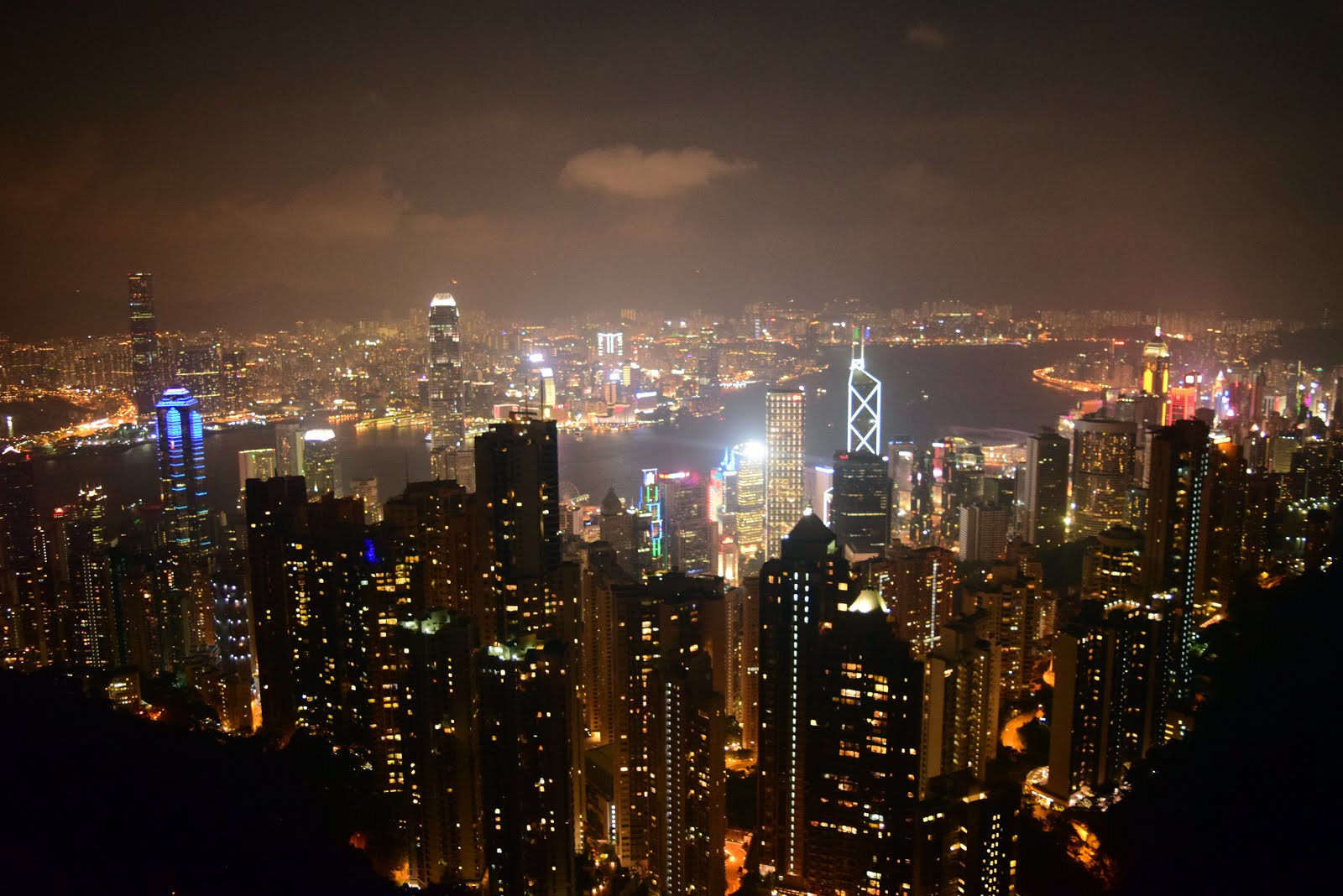
We hit the ground running and after dropping off bags, immediately caught the MTR to Star Street in Wan Chai. It was cute, but expensive and we didn’t hang around long before catching the “ding-ding” (a double-decked tram that goes all around the city and is lovingly named after the sound it makes: “ding-ding”) to Central for some food, drinks and shopping. After successfully conquering Central, we caught a cheap taxi up to Victoria Peak for our first proper view of the city. Below are some places of note:

Luk Yu – Awesome local Chinese food. The restaurant is very old and famous in Hong Kong. It even has its own murder story and the food’s amazing. This was a perfect first meal to have in town. Highly recommend.

G.O.D. (Goods of Desire) – Eclectic, expensive souvenir shop, but everything’s high quality and I’d definitely purchase any T-shirts here. They’re soooo soft.

Lan Kwai Fong – Hong Kong’s infamous bar street. It’s kind of creepy and dirty, but there are some treasures to be found. A good rule of thumb is to avoid any establishment that has to hire a door man to talk people inside. Good places don’t need such extravagances. (Side Note: This place would be amazing on Halloween.)

Stormies –Fantastic British pub on Lan Kwai Fong street. Highly recommend the drinks and food.

Day Two: Dragon’s Back, Poho, Temple Street and Ozone


We were supposed to do Lantau Peak and the Tian Tan Buddha, but having twisted my ankle the night before, adjustments needed to be made. (I’m a special panda.) We switched our outdoor adventure to Dragon’s Back, a short little hike with a view located right next to the city. After getting a taste of the hiking life, we retreated to shower, rest, and get ready for Poho.

Everyone knows about Soho (South Hollywood Street) but Hong Kong takes it a step farther with Poho (south, South Hollywood Street). We learned about this area the previous night during a friendly conversation at Stormies, where it was recommended as a paradise made for lovers of tea, craft beer, art and cute shops.  We were not disappointed and if we lived in Hong Kong, this is where we’d be every weekend. See below for a list of recommended hot spots.

After dinner, we caught a cab to the Star Ferry Terminal in Victoria Harbor and took the short boat ride across the harbor for another nightscape of the city. Do it! I know locals probably won’t mention it and may even talk it down, but don’t listen. (It’s ok to be a tourist.) Once on the Kowloon side, we caught a bus to Temple Street Market for some souvenir shopping. (I have an oil painting now.)


Feeling tired, we skipped the Ladies Market and caught the MTR to Ozone for a night cap before heading home. Ozone is the highest bar in the world and the perfect spot for drinks above the city. It even has a semi-open balcony where guests can feel the wind coming up off the harbor. Get the cocktails. I love a good beer as much as the next person, but the cocktails here are a step above.

Teakha – My new love. Excellent tea shop with hippie food, like avocado toast and yogurt bowls. Their signature tea is the masala chai, but I really enjoyed the rose and honey.

Craftissimo – Craft Beer! Everything is delicious. They had all kinds of tasty things on tap and we sat around drinking and chatting with locals for a good two hours before dinner.

In-Between – Cute, little shop with local art and old knickknacks.

Frantzen’s Kitchen – We were told to grab dinner here, but it was closed. Looks amazing though. Apparently, you’re supposed to dress up.

Cha Cha Wan – Ended up eating here instead and it was amazing. It’s the good stuff that comes spicy and gets your hands dirty.

Day Three: Day Trip!


We headed to Macau, but honestly one of Hong Kong’s many island adventures (aka Lamma Island) might have been more fun.  Do some research and decide what’s best for you. If you’re trying to add another country to your list, see some old architecture with skeletons, eat delicious Portuguese food, and try gambling for the first time, go for Macau. For seafood and swimming hit up one of Hong Kong’s islands.

Day Four: Departure 

I should have gotten up early to hunt down some of Hong Kong’s fabled butter cookies, but the desire to sleep in was STRONG. We had breakfast, checked in early with Hong Kong’s fancy system and took our time getting to the airport…. where we promptly bought butter cookies 😃


Getting Around

Hong Kong is incredibly easy to navigate. Get an Octopus Card at the airport and go! It works on everything except taxis. That means you can jump on and off subways, ding dings, ferries and buses at your leisure. Getting around is fairly cheap. Octopus Cards come stocked with $100 HKD ($13 USD) and we only had to refill a little on the last day. Taxis weren’t bad either; just be smart and choose wisely.

Where to Stay


We stayed in Tin Hau on Hong Kong Island and loved it. The area is super cute with lots of good food and character. Upon arriving at the station every night, we would indulge in local street food, like nitrogen ice cream and egg waffles before bed. It was perfect. Tin Hau station is also conveniently located right on the Island Line only a few stops from Central.

9/25/17

River Tracing: Lupi Stream and Jinyue Waterfall


Sold! This short sweet river trace in Nanao was the perfect introduction to our new favorite summer activity. With a rope swing, waterfall slide and 25 meter falls at the end, we can’t wait to go back and will definitely be on the lookout for more river traces around Taipei. Nanao is home to two river traces that are easy day trips from the city: Biden and Lupi Stream. This being our first time tracing, we started with the easier one: Lupi Stream, which actually isn’t that easy and we probably should have worn life jackets.

That said, the trace went really well and wasn’t too difficult as it’s easy to tailor it to your own level/experience. For example, my boyfriend tested out his brain power and leg muscles on a cascade scramble that was pushing out hundreds of gallons of water per second, but the rest of us sane people just went around. (This particular cascade was introduced as a fun puzzle to solve and I guess he just couldn’t resist. He made it over, but not by pushing through. He actually had to level himself up out of the water and balance over the cascade to get around it.)


Lupi Stream takes about two hours each way, but it is possible to speed this up. (We did the return trip in just over half an hour because we were worried about catching the train home.) At the beginning and end of the trace, there’s a large pool for swimming and fun waterfall slide.

Shortly after this, the stream becomes impassible and a trail has been cut into the woods on the right side. It’s short and joins back up with the stream after a few minutes. From here, tracers will have to pick their way through or around the edge of the stream with short rock scrambles and little cascade climbs. It’s also very deep in places and the river bed will suddenly just disappear, so be prepared to swim.

Photo Credit: Dustin Craft, Taiwan Adventure Outings


There are some parts of the trace that only experienced tracers should try, such as the rope swing and three-foot waterfall chute below it (not to be confused with the relatively safe main waterfall slide), which has a very strong vortex that jumpers will have to be able to navigate out of. Most tracers who attempt the rope swing actually climb out and go around rather than contend with the dangerous little chute. This is saying something, because the steep, wet scramble out isn’t easy.

It should also be mentioned that if you commit to doing the rope swing, there’s not backing out. Basically, you can change your mind, but you still HAVE TO do it. This is when having a life jacket as a confidence boost would have been nice. Another event like this is the waterfall slide at the beginning and end of the trace.

Basically, once you’re at the head of the slide, the water IS GOING to push you down. Jumpers only have a few seconds to position themselves as best as possible before being carried down possibly the biggest natural waterfall side in Taiwan. (PSA: When going down the slide, hold your bag tight to your chest and don’t bend forward or it’ll slap you in the face when you hit the water.)

Again, the trace is completely customizable, so less adventurous explorers can skip both the rope swing and the slide or just do the slide, but not the rope jump. If you like the land of the living and prefer to stay in it, just get out of the water and go right through the woods on the return trip. This will take you safely around the more dangerous parts of the trace.

Be warned, things happen: ropes get stuck, people fall, straps break and concussions occur. ALL of these things happened on our trip and there was very little we could do to prepare for them. The best advice is to go in a group. This isn’t something individuals should be going at alone as people do DIE. Taipei Hikers and Taiwan Adventure Outings both take regular trips to Nanao during the summer months. Trips fill up fast, so be vigilant to get a spot.

Equipment

Photo Credit: Dustin Craft, Taiwan Adventure Outings


A helmet, waterproof bag and special shoes are all required. These items can be rented from supply stores in Taipei for around $200 NTD ($6 USD). Of course, it’s recommended that you rent a life vest as well, especially if you’re planning on doing any of the jumps/slides or are not a confident swimmer. Below is a list of rental shops in Taipei. They have funny hours, so plan ahead.

In addition, to the rented items, you’ll need a small towel, water, snacks, a change of clothes and lots of Ziploc bags. Everything you care about should be double and triple bagged, because those waterproof bags WILL LEAK. There might be a small hole or it might not seal completely, but trust water is going to find a way into that bag. Probably hundreds of cell phones have gone to that great mobile cloud in the sky on this trace, and we added one more on our trip. (It was inside a waterproof hard case, inside a waterproof bag, but still found a way to get wet. The owner was not amused.)

Guting: 戶外家
Address: 100, Taipei City, Zhongzheng District, Quanzhou Street, 69號
Phone: 02 2333 1682

Getting Around


Get to Taipei Main Station around 8:30 am and by direct train tickets to Nanao Station. It’s about a two hour train ride each way and tickets cost just under $300 NTD. When purchasing outbound tickets, go ahead and grab return tickets as well. Trains only hit Nanao every three hours and it should be obvious which one you want, just make sure the departure time is after 3pm.

You’ll probably have to buy standing tickets on the way out, but should be able to get seats on the way back. By the way, standing tickets aren’t a huge problem, because there’s always room in the bike car. Basically, the last car on every train is reserved for bikes, but there’re never any bikes, so it’s the perfect place to find a seat and take a nap on a sold out train.

From Nanao Station, you’ll need to have a cab arranged to take you to the Lupi Stream trail head. This 10-minute trip will cost about $300 NTD, but can be split between multiple people. You’ll also need to arrange for the cab to pick you up from the same spot at three o’clock SHARP. Below is the number for the taxi service, but you’ll need to know some Chinese to get things arranged. Stress the TIMES, because you’ll be on a tight schedule to catch the train home.

Nanao Taxi:
0966-657-673
03-9981-298

9/4/17

Day Trip: Wulai Waterfall & Hot Springs


Wulai is home to the largest waterfall in Northern Taiwan. That said, we came, saw and weren’t that impressed. It’s a super convenient trip for getting some fresh air and the food’s amazing, but something just didn’t do it for me. We weren’t able to enjoy the river at all as the public pools have been destroyed and closed off. Similarly, we weren’t able to get near the waterfall. It just served as a pretty backdrop, which is nice, but if that’s what you’re looking for, Shifen Waterfall is the better option.

We also tested out the Lover’s Walk, which was a joke (Don’t waste your time.) and a hot spring hotel. The hotel was nice: clean, peaceful and with windows overlooking the mountains. It would have been perfect if the water had actually had sulfur in it, which it didn’t. It just felt like piped in hot water. So, for enjoying natural hot springs, I’d recommend somewhere else, like XinBeitou.


Maybe we just didn’t do it right and missed something that would have made it more memorable. Again, don’t get me wrong, it wasn’t bad and we had a good day. The highlight was probably relaxing our tired city legs at the hotel. It was nice, but there are better waterfalls and hot springs to be had in Northern Taiwan. The one thing the area does get right is the food. It was some of the best street food we’ve had on the island, so eat up 😊

On a parting note, beware of taxi drivers. Cars aren’t actually allowed back to the waterfall, but that doesn’t stop drivers from claiming that they can get you there. Just know that “take you to the waterfall” actually translates to driving two minutes around the corner to a road block. Upon seeing this, we were not amused and felt superior in our decision to hoof it. There are similar scams at Shifen.


Wulai vs. Shifen

My boyfriend completely disagrees with me on this one, saying that the easy transport and excellent food makes Wulai a better choice. I disagree: Wulai is the tallest; Shifen is the prettiest. While Wulai may be easier to get to, it’s not near any other fun attractions. Shifen is more difficult to access, but it’s located on the Pingxi Line, making it an easy jump off point for other great activities, such as the Sandiaoling Waterfall Hike or Lingjiao Cliff Jump. You also won’t find any hot springs, but there will be lots of locals making and releasing lanterns. Broken down, the score is:


Wulai
Shifen
Location

Transport

Food

Lanterns

Hot Spring

Scenery

Taxi Scams

Getting Around

This is an easy and inexpensive little day trip. We were playing tour guide and to maximize time, we did this and the gondola all in day. Just catch the 849 bus from Xindian Station and ride it to Wulai. Wulai is popular with both locals and tourists, so start early unless you’re all right with standing, which isn’t a huge issue as it’s less than an hour.  At Wulai station, follow your nose into town, down the old street and then either catch the tram or walk to the waterfall. There are more food stalls and souvenir shops at the base of the waterfall, so you could bypass the town and head straight there.

8/22/17

Day Trip: Yehliu Geopark and Jinshan


On this little day trip, you’ll see Taiwan’s most famous coastal rock formations and relax at South East Asia’s largest public hot spring. The best part is that it isn’t as crowded as some of Taipei’s other hot spots, such as Jiufen or Fulong. It is also one of the most convenient day trips you can take from Taipei, aka there’s no need to worry about finding seats on a train. Essentially, for very little effort, you get to enjoy a relaxing day on the coast and see some of Taiwan’s most iconic attractions.

Start your day at Yehliu Geological Park, stroll around, hike the little peninsula and have fun hunting for the different rock formations. The Queen’s Head (named after Queen Nefertiti) and something that looks like a whale tail are the most popular. However, my personal favorites are the dragon’s head and sand dollar fossils that are scattered all over the place. You’ll also see rocks that look like tofu, candle sticks, and one that even looks like a shoe.


Some of the formations, such as the Queen’s head are shrinking fast and won’t be around much longer before a typhoon breaks them off. In preparation for this, the park has actually created a standing replica, aptly named Queen’s Head II. They’ve got it and a few other replicas grouped together near the entrance of the park. Especially lazy tourists can just take their selfies there and leave. However, it doesn’t take long to get around the whole place: three to four hours at most.

If you get the urge to climb or even touch the queen’s head, settle for the replica instead. There’s a five million dollar fine for causing any amount of damage to the original. The park is just waiting for some Canadian tourists to come try their luck with that one. That said, the park doesn’t give visitors any excuse for bad manners, since there’s an overkill of bathrooms on the grounds. The visitor center at the park entrance offers both toilets and refreshments. There’s a second rest area within the park itself, and then there’s even a third restroom along the peninsula walk.


When you’ve finished hiking around the park, step outside to the taxi cue and catch a $400 NTD ride to Jinshan Old Street; this is where you eat. Honestly, it’s some of the best street food we’ve had in Taiwan and it’s cheap. Walk down the street and fill up on Taiwanese favorites, such as kebab sausages, chicken, potatoes, and corn. Be sure to grab a fresh pressed juice drink and maybe a milk tea as well. After having your fill, head to the Jinshan Hot Spring Gym.

It’s a 15 to 20 minute walk from the old street entrance or a $120 NTD taxi ride. If walking, step out of the old street entrance by the tunnel and hook a left (away from the 7-Eleven and McDonalds). You’ll see signs for the Jinshan Youth Center. Follow them. The hot spring gym is located within the Youth Center. Also, don’t be fooled by the words Youth Center, it’s more like a prime camping and retreat center for families from Taipei.


When you enter the grounds, you’ll see a huge institutional looking building. (You know it’s the right one when you feel the chills. The old, overgrown cemetery we passed on the way up didn’t help.) For a second, I thought we had accidentally wandered into an abandoned Nuclear Power Plant, but that’s the place or at least it’s the reception area. Step inside and a nice lady behind the counter will give you a map to the hot spring gym. It’s in a separate building, about a minute’s walk away.

The hot spring gym costs $300 NTD per person; and to enter the pools, you need to have a bathing suit, towel and cap. We forgot everything but our suits and had to buy the rest at the gym for an additional $100 NTD per person. (Apparently, it happens often.) The gym consists of several different temperature pools and has its share of waterfalls and massage jets. Basically, if you see a button, push it; water is going to come out somewhere. The outside pools offer some amazing pressurized back massaging waterfall jets, which will literally beat the acid from your muscles.


Once you’ve finished and showered off, head back upstairs and staff will call a taxi to take you back down to Jinshan where you can catch a bus back to Taipei. The Jinshan bus stop and ticket office are located across the street from the McDonalds. Buses come along every thirty to forty minutes and the last bus doesn’t depart until around eleven at night. Pop into the office for tickets and then kill time eating chicken nuggets or grabbing dinner on the old street.

You’ll be leaving on the same bus you came in on: the 1815. Tickets are cheap and it’s about an hour and a half ride from Taipei Main Station. Fun fact: this bus terminates at the Jinshan Youth Center, so it is possible to take it up to the hot spring gym and then back down again. You can even take it from Yehliu to Jinshan, but taxis are more convenient.

7/24/17

Shifen Falls: Taipei’s Little Niagara


Shifen Waterfall, fondly known as Little Niagara, is Taiwan’s most popular waterfall. Despite the high foot traffic and touristy town, it’s still worth a visit. In the afternoon, tiny rainbows of light float over the dense falls or you may see a big round semi-circle of color. The water is a beautiful teal blue and some say that’s more beautiful than Niagara Falls.


The town is nice to. There’s a variety of food stalls with fresh fruit, meat kebabs and other delicious treats. As with other touristy areas, there are plenty of places to buy souvenirs and post cards. One thing special about Shifen, is the ability to make paper lanterns. Between trains, locals and visitors step out onto the empty tracks and paint them. (They’re much bigger up close.)

The lanterns are released into the sky and it makes for a glorious display around sunset. Of course, hiking groups have fun picking up the clutter afterward, but that’s none of my business. Another focal point of Shifen is the old suspension bridge. It looks cool and I encourage you to cross it, but there’s really nothing to see on the other side. We looked.


Getting Around


To get to Shifen Falls, start at Taipei Main Station. From here, get a north bound train to Ruifang. These trains are abundant, convenient and there is absolutely no reason to book tickets in advance. From Ruifang station, board the Pingxi Line going toward (you guessed it) Pingxi. You will have to buy these tickets at Ruifang station or use an EasyCard. Get off the Pingxi Line at Shifen station. After disembarking, walk through the town of Shifen to get to the falls. Follow the signs and enjoy!

7/16/17

Cliff Jumping: Lingjiao Waterfall


Stand around for an hour contemplating life with a strange mix of fear and philosophy, then JUMP! This is what a friend experienced before leaping 40 feet from the top of a waterfall into the pool below. (I didn’t do it. Apparently, old age has dampened my desire to die.) Another said that he would wait for his brain to become slightly confused and then run off the cliff before clarity and sanity could catch up with him. (I date that one 😢) He did this 4 times. According to both, the first time is easiest, since after that the brain has figured out what you’re doing and doesn’t approve.

Resting at twelve meters, Lingjiao Waterfall might be the highest cliff jump in Taiwan, and, of course, (as stated above) we’re slightly disturbed, so this is the one we started with. It’s higher and maybe even more beautiful than Hong Kong’s most famous cliff jump, Sheung Luk, which we are hoping to visit in the not too distant future. Unlike Sheung Luk, Lingjiao has managed to stay off the radar for most tourists and even locals. Except for a group of regulars, who looked like they’d been there a thousand times, we basically had the beautiful spot to ourselves… on a weekend… in July.


We brought water, wine, bread, cheese, and spread our towels out to enjoy a lazy afternoon swimming and jumping. The locals brought the music and, unwittingly, showed us where to stand and what spot to aim for when making the jump. If they hadn’t been there to demonstrate, I can’t say for sure that our group would have tried it. Twelve meters definitely looks like 20 from the top and you can’t see what’s waiting for you at the bottom.

The top of the waterfall is calm, peaceful, pretty and the perfect place to spend an hour in reflection before giving in to the chaos of an adrenaline rush. Overall though, the whole area needs a little TLC. There’s some debris piled up on the side that makes for a rough first impression and the trail to the top is completely overgrown. I seriously doubt that it’s maintained by anyone except the regular jumpers. They did spend a little time clearing it while we were there, mostly just smashing everything down and (probably) praying not to step on a snake.


If more people visited, it would probably be better maintained, but then it would also be more crowded, so pick your poison. Actually, someone did try to turn it into a tourist attraction, but rumor has it that the endeavor was shut down after a boy jumped and died. This would have obviously created a lot of bad press and scared visitors away, especially locals who believe in the Chinese superstition that water is haunted by soul-stealing ghosts. Anyway, you can still see the hollowed out ruins that were never completed, which give the place an eerie vibe.

To us, the jump seemed intimidating, but safe. Someone could land poorly in the water and end up with a few bruises, but the whole pool itself is very deep and no one in our group touched the bottom. As long as you can swim, go for it. When not jumping, it’s also nice to swim under the cliff and scramble up onto the steps. This is a cool, wet place to hide from the sun and it gives you the high ground for a surprise attack when friends come and try to pull you off… Big Mistake.

Getting Around


It’s on the Pingxi Line, exactly one stop from Pingxi Village actually, so you could also squeeze in a visit there or to Shifen Waterfall on this trip. We considered exploring Wanggu Waterfall, since it is also only one stop away, but ditched this plan when some unexpected new friends, who had just come from there, dropped in and told us how the waterfall is much smaller and that no one at all was there swimming, much less jumping.

I digress, take the bus there, but come home on the train. It’s bus number 795 and it departs every half hour from Muzha Station on the brown line. To get to the bus stop, exit the station and cross the street to the OK Mart. Fun fact, this bus stops at every major attraction on the Pingxi Line, including Lingjiao, which is where you want to get off. From there, follow signs for the Lingjiao train station, which is about 500 meters away (other blogs lie about this distance for some reason) down a small side road.

From the station, follow signs for the waterfall, which is only an additional 300 meters away. The trail for the waterfall starts at the Lingjiao Visiter Center (or at least an abandoned, nonfunctional cement building that says it’s a visitor center) and then follows the train tracks until ending at some stairs that lead down to the base of the falls.

To get home, jump on the train (no matter which way it’s going, because there’s only one ping-ponging back and forth along the Pingxi Line) and get off at Houtong Station, where you can transfer to a local train bound for Taipei. The bus ride’s under an hour, whereas the train takes two hours, but I still recommend the train because traffic gets bad on the weekends and you’ll have a better chance of finding a seat.


5/15/17

Treasure Hill Artist Village


Treasure Hill is intended to be a safe space where artists can visit, produce, display and sell their work. Along with a darkroom, Treasure Hill also has a piano room, bamboo room, business meeting room and many other options available for artists to take advantage of. In addition to studio spaces, Treasure Hill also provides event spaces for displaying art. Artists can rent different rooms, ruins or wall space around the village.

Event spaces and specialty rooms are rented by the hour or day. If you’re an artist looking for something more long term, Treasure Hill does offer artist lofts for rent as well as an artist in residency program. To qualify as a resident artist, you need: at least three years of professional experience in your field, English or Chinese ability, and to provide a proposal. Treasure Hill is even open to accepting foreigners. In fact, when I visited, an expat was occupying the underground rooms with his sound exhibit. The qualifying criteria for an artist loft are more relaxed, but of course they are also more expensive.


If you’re not an artist and just want to check out some independent, thought provoking work, Treasure Hill is a great place to explore. There are alleys, side alleys and then diagonal alleys to the side alleys. Where there isn’t an alley, there is a random narrow staircase leading up to a quiet rooftop with amazing views or an artist studio.

Honestly, take a friend and play some hide and seek, even the artists probably get together for some intense games of flashlight tag. If this is your first time visiting Treasure Hill, a good piece of advice is to just keep going up and check out the view. As you make your way around, be on the lookout for graffiti installations, rooftop gardens and old ruins from the 1930s and 40s.


Treasure Hill first got its start as an anti-aircraft compound in the 1940s. Soldiers fleeing the civil war in China came over, set up their guns, stole electricity from the city and used the river to sustain themselves. Of course, the guns are gone, but some of the old architecture stills remains.

To save the area from demolition, the settlement made a deal with Taipei City Government to do restoration work and transform itself into a self-sustainable artist community. The, official, Treasure Hill as we know it today, opened to artists and their entourage in the early 2000s.


True to form, urban agriculture has become a huge part of the community, which grows a large portion of its own food and uses filtered rain and river water when possible. Also, electricity is still kept to a minimum and they probably have to pay for it now, but the living spaces do come stocked with air conditioning and water heaters. They aren’t sadists.

In conclusion, Treasure Hill is a great place to spend an afternoon getting lost in the artist culture of Taipei. There are bars and cafes on the grounds, so you can grab some refreshment and enjoy sustainably grown food between touring the exhibits and hunting down wall art. Another great thing about aspect of Treasure Hill is that it will never get old. Artists are always coming and going, consequently, the space is always changing.


Getting Around


Treasure Hill is ideally located for a day trip. The community is a few minutes’ walk away from Gongguan MRT station, one of the more happening areas of Taipei, with lots of: street food, beer gardens, music venues, stores and great restaurants to choose from. If you want to expand from a daytrip, Treasure Hill has a nice hostel on the grounds, giving ordinary muggles the ability to hangout and make connections. Also, it offers fantastic views of the river that divides Taipei and New Taipei City.

The community is open to the public every day, except Monday. Opening hours for the exhibits and restaurants start at eleven in the morning and end around ten at night. Be warned, many artist studios keep their own hours and close for the day around six. Also, touring Treasure Hill is completely free of charge, making it an affordable alternative to actual museums.

5/8/17

Hiking Favorite: Sandiaoling Waterfall Trail


You’ll get wet, muddy and land on your butt a few times, but it’s an incredible hike. Located on the Pingxi Rail Line, this trail starts at Sandiaoling Station and terminates at Dahua Station. In total, there are four waterfalls on the trail and it’s possible to add a fifth by continuing on to Shifen once you finish the hike. Along with swimming under the waterfalls, you’ll get to play on braided rope bridges, climb log ladders and walk through fairy portals.


The first waterfall, Hegu Falls, is a medium-sized-double falls that’s very pretty and easy to get to. Continuing on from Hegu Falls, the trail really comes alive with moss covered rocks, over-hanging trees and the sound of water in the background. After swinging across the rope bridges and maybe even stopping for a swim, you’ll come to the main attraction: Sandiaoling Waterfall. This 30-meters-high waterfall shoots out over a massive overhang, so there’s plenty of room for exploring behind the fall’s curtain.


Sandiaoling Waterfall is mesmerizing; we could have easily spent an hour watching the water curtain fall and then dissipate on the rocks below. Unfortunately, we were also trying to outpace a loud group of women who had paid for a guided hike. Hearing squeaky voices gain on us, we stuffed our faces with a little bit of lunch and moved along to the head of the falls.


Imagine our surprise when we found another waterfall waiting at the top. Turns out, the head of Sandiaoling Waterfall doubles as the base of Pipa Cave Falls. Pipa Cave and Sandiaoling Waterfalls are very similar. Both shoot out over massive overhangs and Pipa Cave is only a little smaller than Sandiaoling, resting at 25 meters. The base of Pipa Cave Falls is more fun to explore, getting your feet wet and climbing around. Just don’t fall off the edge; the rope is there for a reason.


From here, make your way to the head of Pipa Cave Falls, you’ll be rewarded with the ability to hang out and walk around under the overhand. Again, just don’t fall. This is the last main waterfall, so enjoy. When you’re ready, keep moving up; you’re almost at the fun rope/log ladder or what’s left of it. When a hiker was badly injured, the ladder was deemed a safety hazard and has since been replaced with some gaudy metal stairs. They did leave a small section of the ladder in place though, so you can imagine what the whole thing would have been like previously. Honestly, they were probably right about the safety hazard, but that doesn’t make the metal stairs any less boring.


Soon the trail spits you out onto an actual path. (From this point onward, everything becomes less scenic and more dangerous. I wouldn’t be surprised if most people turn back instead of continuing on to Dahua Station.) There are two options. To exit the trail, follow signs for Dahua Station. To check out the actual head of Pipa Cave Falls, go the other direction. It’s a good spot for another swim and not too far out of the way. Still being chased by the sound of female voices, we continued on to Dahua Station.


The path soon turns into a road, but you don’t stay on this very long. After five minutes, you’ll see a trail that takes you back into the woods. Take it and stay on it until you come to Xinliao Village. Here, the path turns back into a road and you want to go left at the fork. Soon, you’ll arrive at a large, ornate gate that’s guarding the entrance to an abandoned car park. Next to the gate, there are some stairs. Take them. This five minute detour leads down to a small abandoned shrine, overlooking the fourth and final waterfall of the trail. It’s small, but pretty.


Make your way back up the stairs and into the carpark. There’s an abandoned ticket office with a set of stairs next to it. The stairs are the entrance to the last and most dangerous part of the trail, which mostly consists of overgrown, loose steps that are incredibly slippery and just want to kill people. When possible, walk on the mud, leaves, anything but the actual steps and you might make it out alive.


Assuming you don’t die, the trail is almost over. Cross the red pedestrian bridge straddling the Keelung River and soon you’ll find yourself back on the train tracks. Follow these to Dahua Station. From here, catch a train to Shifen or begin the journey back to Taipei.


Total, the trail takes almost four hours to complete (not including swimming time). Bring food, small towels and a camera. There are no restrooms on this hike, so use them at Sandiaoling Station. An upside, though, is that most of this hike is in the woods, so you don’t have to worry about turning into a piece of bacon as you would on other more exposed hikes.

Getting Around


From Taipei Main Station, hop a train bound for Sandiaoling Station. As soon as you disembark, you’ll see signs for the trail. Follow them. As you exit the station, there are some overgrown, forgotten buildings next to the path that you can explore. Further down, the trail follows the railroad tracks to the town of Sandiaoling. These are active tracks, so keep your ears open and camera ready.


Follow the tracks until you pass an old white-washed school. Here, cross the tracks and follow the steps up. This is the trail head and there is a sign/map posted next to the tracks. On weekends, locals will be set up with food and drink stands. They may or may not be there on weekdays.


To get home, catch a train at either Dahua or Shifen to Ruifang. At Ruifang Station, get off and transfer to a train bound for Taipei. On weekends, you’ll probably have to make this trip standing up, so it’s best to wait for an express train. This way you’ll only be on your feet for thirty minutes versus an hour on the local train.